
The Ultimate Morocco: 8 Days Tour from Casablanca to Marrakech via Sahara & Blue City
Duration
8 DAYS
Start in
Casablanca
End in
Marrakesh
Pickup
Airport/Accommodation
OVERVIEW OF THE ULTIMATE MOROCCO TOUR 8 DAYS
This 8-day journey through Morocco combines imperial cities, blue-washed mountain towns, Roman ruins, dramatic gorges, ancient kasbahs, and the golden dunes of the Sahara. Beginning in Casablanca, you’ll discover Morocco’s rich architectural and cultural heritage before heading north to Rabat and the enchanting blue city of Chefchaouen.
You’ll wander through the medieval medina of Fes, explore UNESCO-listed ruins in Volubilis, and admire grand imperial monuments in Meknes. The adventure continues as you cross the Middle and High Atlas Mountains, encounter cedar forests and oasis valleys, and finally reach the awe-inspiring Sahara Desert for an unforgettable sunset camel ride and a night under the stars in a Berber camp.
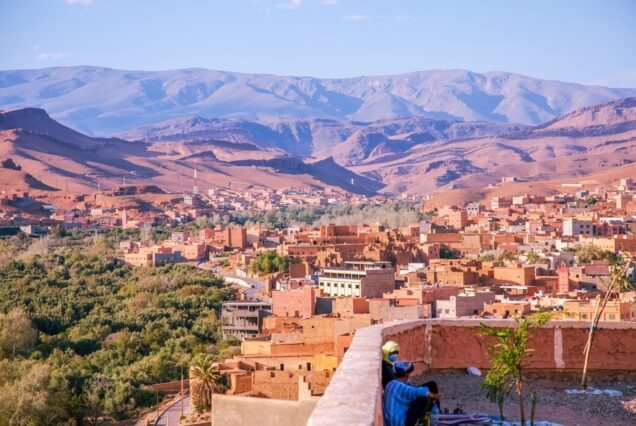
From towering cliffs in the Todra Gorge to the rose-scented valleys of the south, you’ll journey through Morocco’s most spectacular landscapes before ending in vibrant Marrakech, where centuries of history, art, and tradition come alive in its palaces, gardens, markets, and famous Djemaa el-Fna square.
Tour Highlights
- Explore the the magnificent Hassan II Mosque in Casablanca
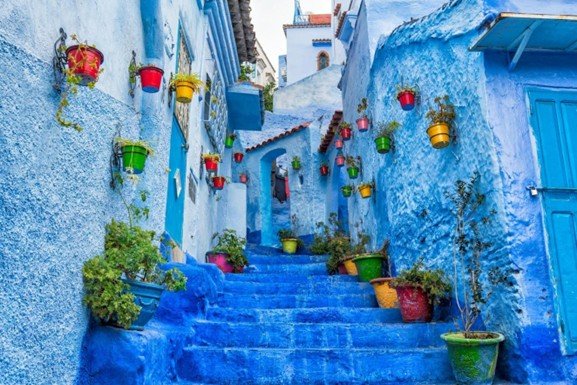
- Wander the blue-painted alleys of Chefchaouen
- Ride a camel into the Sahara at sunset
- Explore the medieval maze of Fes’s ancient medina
- Marvel at the magnificent Hassan II Mosque in Casablanca
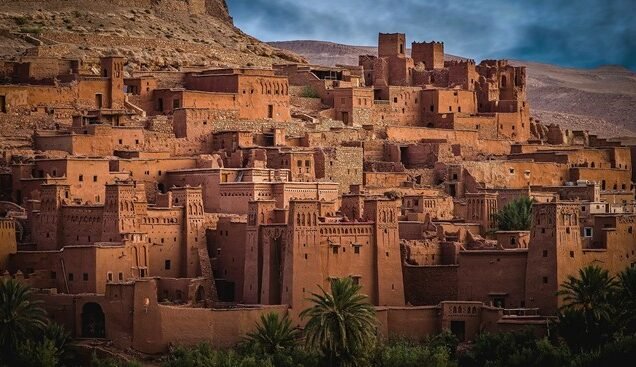
- Discover the iconic kasbah of Ait Benhaddou
Detailed Itinerary
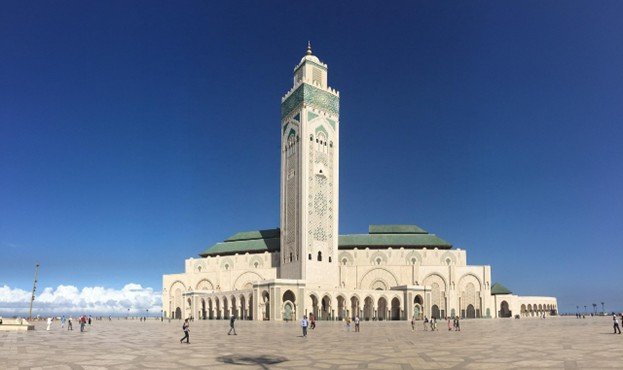
Casablanca: Modernity and the Great Mosque Welcome to Casablanca, the largest city in Morocco and its major economic hub. Located on the Atlantic coast, the city is renowned for its modern architecture and cultural significance. Your first stop is the magnificent Hassan II Mosque, a true masterpiece of Moroccan craftsmanship.
Completed in 1993, it is the largest mosque in Africa and the 13th largest in the world. Key features include:
-
The Minaret: Standing at 200 meters, it features a laser beam pointing toward Mecca.
-
The Prayer Hall: Capable of holding 25,000 worshippers, it features a unique retractable roof.
-
The Courtyard: Can accommodate an additional 80,000 people for prayer.
-
Culture: The complex also houses an extensive library and an on-site museum.
Rabat: The Imperial Capital In the afternoon, travel north to Rabat, the capital of Morocco, situated at the mouth of the Bou Regreg River. Here, you will step back into the 12th-century history of the Almohad dynasty by exploring:
-
Oudaya Kasbah: A historic fortress and a peaceful district overlooking the Atlantic.
-
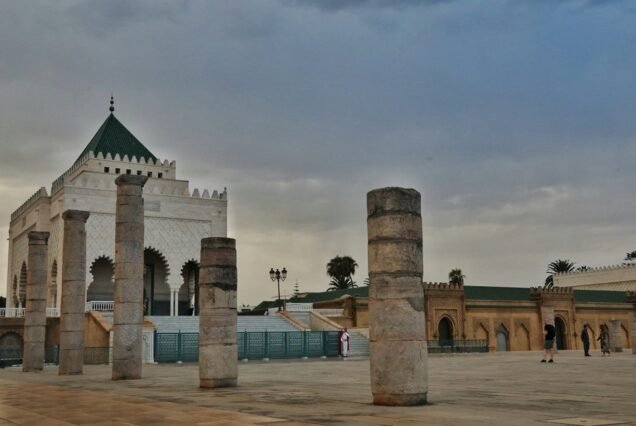
Hassan Tower: This iconic minaret stands 40 meters tall amidst the ruins of what was intended to be one of the largest mosques in the world, commissioned in 1195 by Caliph Yaqub al-Mansur.
Overnight in Rabat.
Through the Rif Mountains Departure this morning toward the enchanting city of Chefchaouen. As you drive North, enjoy a scenic journey through the Rif Mountains, where you will be surrounded by stunning vistas of rugged peaks, deep valleys, and lush Mediterranean forests.
The Colors of the Medina Upon arrival, immerse yourself in the streets of Chefchaouen's Medina. This old city quarter is world-famous for its vibrant palette of blues, reds, and whites. You will have time to:
-
Wander: Explore the narrow, winding alleys and admire the local artwork.
-
Shop: Discover unique handmade souvenirs specific to this mountain region.
-
Dine: Stop for a bite to eat at one of the many charming local restaurants.
Plaza Uta el-Hammam & The Spanish Mosque Visit the heart of the city, Plaza Uta el-Hammam. The square is named after the ancient hammams (public baths) that once encircled it. It is the perfect spot to stroll and take in the city's unique architectural heritage.
To conclude your day, head up the trail to the abandoned white Spanish Mosque. A 20 to 30-minute walk rewards you with the ultimate panoramic view of Chefchaouen as the sun sets behind the towering mountains.
Morning Serenity in the Blue City If you wish to make the most of your morning, enjoy the peaceful atmosphere of Chefchaouen with a leisurely stroll. This is the perfect time to capture photographs of the iconic blue alleys while the streets are still empty. Afterward, you will leave the Rif Mountains behind and travel south toward Fes.
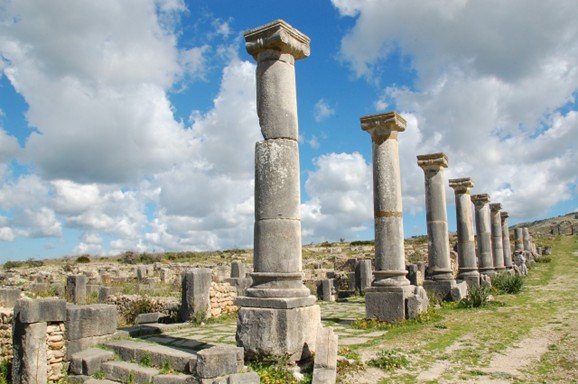
The Roman Ruins of Volubilis Your first major stop is Volubilis, a UNESCO World Heritage site and one of Morocco's most significant archaeological treasures. This ancient Roman city features remarkably well-preserved monuments, including:
-
The Capitoline Temple & The Basilica: Centers of Roman public and religious life.
-
The Triumphal Arch: Built to honor Emperor Caracalla.
-
Intricate Mosaics: Many original floor mosaics remain in situ, depicting mythological scenes.
Meknes: The Ismaili Capital Next, you will explore the imperial city of Meknes, the 17th-century capital built by Sultan Moulay Ismail. Highlights include:
-
Bab Mansour: A massive, impressive gate decorated with Arabic inscriptions and ornate zellij tile work.
-
Mausoleum of Moulay Ismail: The final resting place of the second Alaouite ruler, showcasing exquisite Moroccan mosaics and carvings.
-
The Royal Stables (Heri es-Souani): A marvel of engineering designed to house over 12,000 horses. This complex remains one of the largest and most impressive stable structures in the world.
Arrival in Fes After immersing yourself in the history of Meknes, continue your journey east to reach the spiritual heart of Morocco.
Overnight in Fes.
A Step Back in Time Fes’ Medina is a UNESCO World Heritage Site and stands as one of the oldest and best-preserved medieval cities in the world. As you navigate its labyrinth of narrow alleyways, you will be surrounded by the vibrant energy of artisans, the scent of exotic spices, and colorful hidden nooks that define this ancient hub.
Palaces and Grand Entrances Your exploration includes two of the city's most significant landmarks:
-
The Royal Palace (Dar al-Makhzen): Built in the 14th century, this is one of Morocco's most treasured monuments and a stunning example of royal architecture.
-
Bab Boujeloud: Known as the "Blue Gate," this late 19th-century entrance is decorated with iconic blue and green zellige tilework and floral motifs, welcoming you into the heart of the old city.
Masterpieces of Architecture and Craft
-
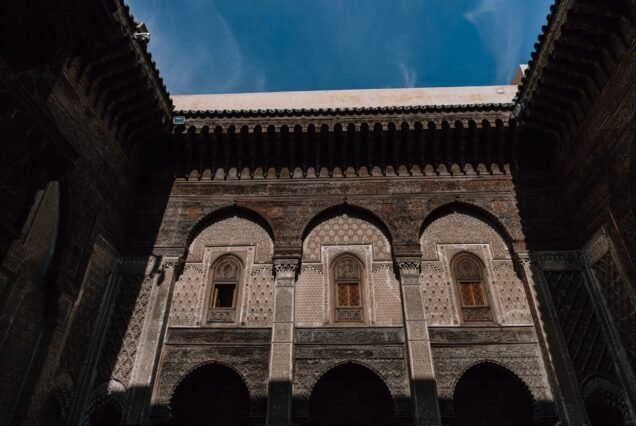
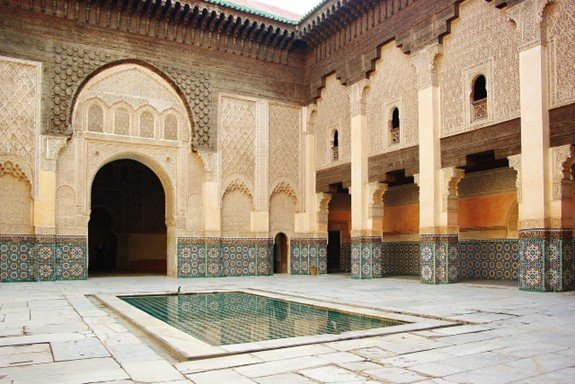
Bou Inania Madrasa: This 14th-century Islamic school is a world-class example of Islamic architecture, featuring breathtaking stucco work and carved cedarwood.
-
Nejjarine Museum of Wooden Arts & Crafts: Housed in a beautifully restored fondouk (traditional inn), this museum showcases the excellence of Moroccan woodworking.
-
Al-Qarawiyyin Mosque: The spiritual heart of the city and the oldest mosque in Fes. It remains the most important religious site in Morocco and a center of learning for over a millennium.
The Iconic Tanneries A visit to Fes is not complete without witnessing the Tanneries. Operating since the 16th century, the sight of workers dyeing leather hides in massive stone vats is a sensory experience like no other. It offers a unique window into a traditional craft that has remained unchanged for hundreds of years.
Across the Middle Atlas & Cedar Forests Departure from Fes for a journey toward the Sahara. Your first stop is Ifrane, often called the "Switzerland of Morocco" for its alpine climate and mountain scenery. Continue through the Cedar Forest of Azrou, where you can take snapshots of the local Barbary apes living in the trees. You will then reach Midelt, known as the "Apple City," before climbing to an elevation of 2,178 meters (7,146 ft) over the Col Zad, surrounded by breathtaking mountain views.
High Atlas Passages & Ancient Oases After lunch, continue over the High Atlas Mountains via the Tizi N'Talghemt pass (1,660m / 5,450 ft). As you descend, the landscape shifts dramatically. You will admire the vast Ziz Valley, filled with palm groves and fortified Berber villages called Ksars. Along the way, you’ll discover an ancient and ingenious water mining system used by nomads to irrigate farmland long before modern pumps existed.
Erfoud: The Gate to the Desert Next, arrive in Erfoud, famous for its Saharan architecture and proximity to the dunes. The city is a hub for:
-
Fossils: Visit local artisan factories where 65-million-year-old rocks are transformed into beautiful objects.
-
Dates: Erfoud is the heart of Morocco's date production and hosts a famous annual festival.
Erg Chebbi: A Night Under the Stars As you reach the edge of the desert, you will behold the Erg Chebbi dunes, a massive "sea of sand" covering 35 square kilometers. The dunes shift constantly with the wind and change colors as the sun begins to set.
-
Camel Trek: Near Merzouga, you will switch to camels for an unforgettable ride across the dunes.
-
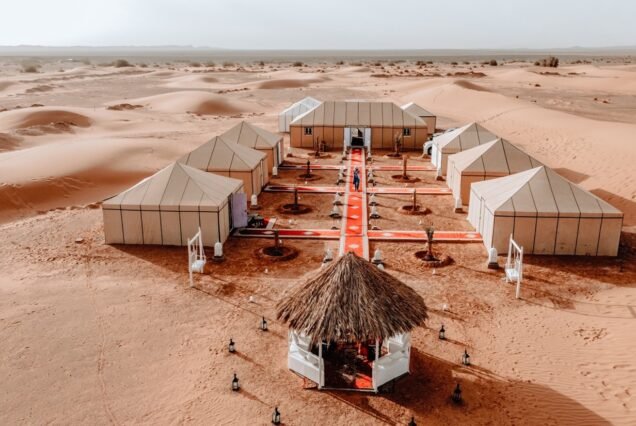
Desert Camp: Reach your Berber Desert Camp just after sunset. Enjoy a traditional meal by the campfire, listen to live Berber music, and spend the night in a comfortable tent under a vast night sky where the Milky Way is clearly visible.
Sahara Desert - Rissani - Todra Gorge - Dades Valley
Sunrise and Desert Adventures We recommend waking up before dawn to witness a breathtaking sunrise over the shifting sand dunes of Erg Chebbi. After enjoying breakfast at the camp, you can choose to spend your morning with more desert activities: try sandboarding down the dunes or join an optional ATV (Quad) excursion for a final thrill in the Sahara.
Rissani: The Cradle of the Dynasty Next, visit Rissani, a town of great historical importance as the ancestral home of the Alaouite dynasty (Morocco's current ruling family). You can visit the Mausoleum of Moulay Ali Cherif, a key figure in Moroccan history. Rissani is also famous for its vibrant local market, where the community gathers not just to trade dates and spices, but to socialize and exchange news from the surrounding regions, preserving a centuries-old tradition.
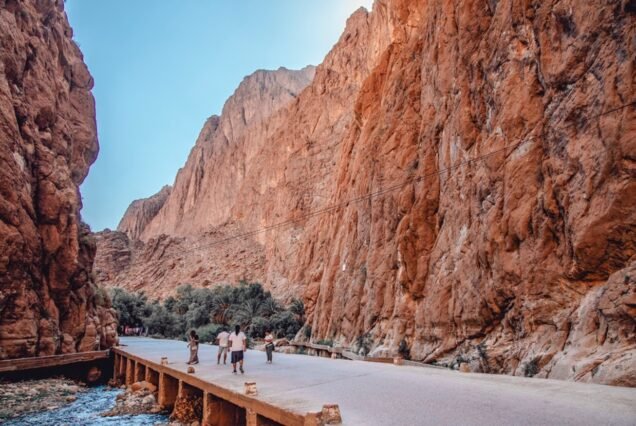
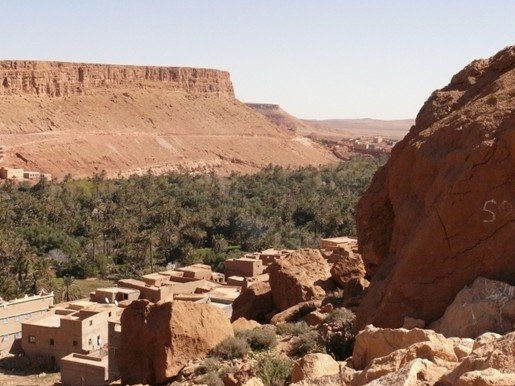
The Towering Todra Gorge Continue to Tinghir to discover the spectacular Todra Gorge. This narrow canyon features towering red limestone cliffs reaching up to 160 meters (520 feet) high.
-
The Walk: Enjoy an easy stroll along the Todra River, which flows through the canyon.
-
The Experience: You can relax by the cool water and admire the numerous caves and stunning natural formations that make this a paradise for hikers and photographers alike.
Dades Valley: The Land of Figs and Kasbahs In the afternoon, travel to the Dades Valley, a lush landscape surrounded by rugged mountains and dotted with fig and almond trees. This region is home to the Berber people and is renowned for its:
-
Ancient Kasbahs: Traditional mud-brick fortresses nestled in the hills.
-
Geological Wonders: Unique rock formations often called "Monkey Fingers."
-
Culture: A perfect destination to witness authentic Berber mountain life.
Overnight in Dades Valley.
Fragrance and Palms: The Rose & Skoura Valleys Start your morning journey from the Dades Valley toward the Rose Valley. This region is world-famous for its rose production and the annual Festival of Roses held in El Kelaa M'Gouna every May. Here, you can learn about the traditional uses of roses in perfumes and cosmetics and admire the fertile valley of the M'Goun River. Continue along the "Valley of a Thousand Kasbahs" to Skoura, a beautiful palm grove oasis home to the majestic 17th-century Kasbah Amerhidil.
Ouarzazate: The Hollywood of Morocco Arrive in Ouarzazate, known as the gateway to the Sahara and a major hub for global cinema.
-
Atlas Film Studios: Take a tour to discover where legendary Hollywood productions like Lawrence of Arabia and Gladiator were filmed.
-
Cinematic Heritage: Explore the diverse locations—from deserts to mountains—that have made this city a favorite for filmmakers for over a century.
Aït Benhaddou: A UNESCO Treasure A half-hour drive leads you to the iconic Aït Benhaddou, a fortified city (ksar) and UNESCO World Heritage Site. Once a vital stop on the trans-Saharan trade route, it is built from traditional adobe bricks. Wander through its winding streets, discover the ancient buildings still inhabited today, and marvel at the architecture that has served as a backdrop for countless movies.
Crossing the High Atlas via Tizi N'Tichka The final leg of your journey takes you across the High Atlas Mountains. You will cross the Tizi N'Tichka Pass, which stands at an impressive 2,260 meters (7,414 feet). The winding road offers stunning panoramic views of the valleys and traditional Berber villages clinging to the mountainsides.
Arrival in Marrakech As you descend the mountains, you will arrive in the bustling "Red City" of Marrakech, famous for its ancient souks, vibrant square, and historic monuments.
The Heart of the Red City: Jemaa el-Fna & Koutoubia Begin your guided tour at the world-famous Jemaa el-Fna Square, a vibrant open-air market filled with storytellers, musicians, and street performers. From there, walk to the Koutoubia Mosque, the largest in the city. Built in the 12th century, its iconic 69-meter minaret serves as a landmark visible from almost everywhere in Marrakech.
Palaces and Royal History Explore the architectural splendor of the city's golden eras:
- Bahia Palace: Built in the late 19th century, this palace was designed to be the ultimate expression of Moroccan artistry. You will admire its grand courtyards, intricately carved cedar doors, and colorful mosaics surrounded by fragrant orange trees.
- Saadian Tombs: Dating back to the 16th century, these royal tombs were rediscovered in 1917. They are a masterpiece of Islamic architecture, featuring elaborate tile work, impressive stucco, and finely decorated cedarwood ceilings.
Modern Elegance: The Majorelle Garden Head to the "New City" (Gueliz) to visit the Majorelle Garden. Originally created in 1924 by French painter Jacques Majorelle and later restored by fashion designer Yves Saint Laurent, this twelve-acre botanical garden is famous for its vibrant cobalt-blue Art Deco buildings. It houses an exotic collection of cacti, palms, and bamboo from around the world.
Departure Transfer Depending on your flight schedule, your driver will provide a comfortable transfer from your hotel to the Marrakech Menara Airport (RAK) for your journey home.
Included/Excluded
- Transportation according to the planned itinerary.
- Private 4×4 jeep with air conditioning (mini-bus with air conditioning for groups larger than six).
- English-speaking driver/guide.
- Fuel and all transportation-related expenses.
- 6nights in a hotel or riad on a BB (breakfast ), in rooms with private bathrooms.
- 1 night in a desert tented camp, including Breakfast & dinner and accommodation.
- One night in a Dades Valley Hotel ,on a half-board basis (breakfast and dinner )
- Guided tours of the Medinas of Marrakech and Fes with a certified English-speaking local guide.
- Camel (dromedary) excursion in the desert.
- Exclusive, private services (no other guests will be added to the group).
- International and domestic flights.
- Lunches.
- Dinner.
- Beverages.
- Entrance fees to monuments and attractions.
- Tips and personal expenses.
- Any services not explicitly listed under "Included in the Price".
Tour Map
You May Like
Morocco Discovery: 9 Days Tour from Casablanca to Imperial Cities & Sahara Desert
The Essence of Morocco: 7 Days Tour from Casablanca to Culture, Mountains & Sahara