
The Essence of Morocco: 7 Days Tour from Casablanca to Culture, Mountains & Sahara
Duration
7 DAYS
Start in
Casablanca
End in
Marrakesh
Pickup
Airport or accommodation
OVERVIEW OF 7 DAYS THE ESSENCE OF MOROCCO
This immersive 7 days from Casablanca through Morocco invites you to experience the country’s rich history, varied landscapes, and vibrant culture from coast to desert. Beginning in the modern city of Casablanca, you’ll explore imperial capitals such as Rabat, Meknes, and Fez, each offering its own unique blend of heritage, architecture, and local traditions.
Wander through ancient Roman ruins, navigate the winding alleys of medieval medinas, and discover centuries-old monuments that reflect Morocco’s diverse past. As the adventure continues, the scenery transforms dramatically. Travel through cedar forests, mountain ranges, fertile valleys, and traditional Berber villages on your way to the golden dunes of the Sahara Desert.
Enjoy an unforgettable sunset camel ride and spend a magical night under the stars in a Berber camp. The journey concludes with cinematic landscapes, fortified kasbahs, and a stunning drive across the High Atlas Mountains to the vibrant city of Marrakech.
Tour Highlights
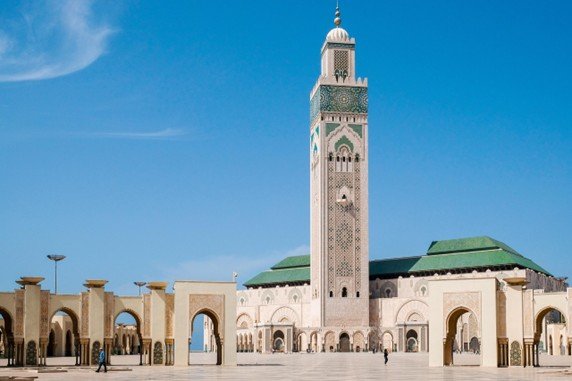
- Explore Casablanca’s impressive Hassan II Mosque, home to the tallest minaret on the planet.
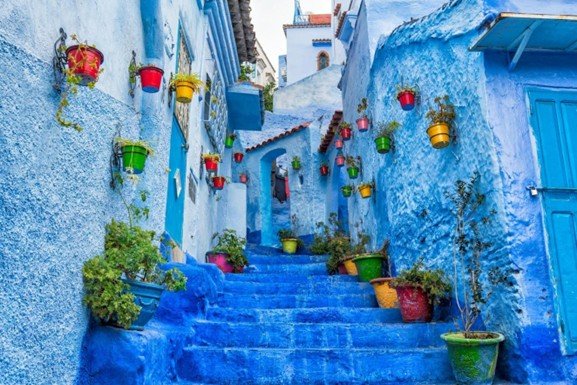
- Stroll through the peaceful, blue-painted alleyways of Chefchaouen.
- Scenic drive across the High Atlas Mountains via the dramatic Tizi n’Tichka Pass
- Sunset camel trek through the towering dunes of Erg Chebbi
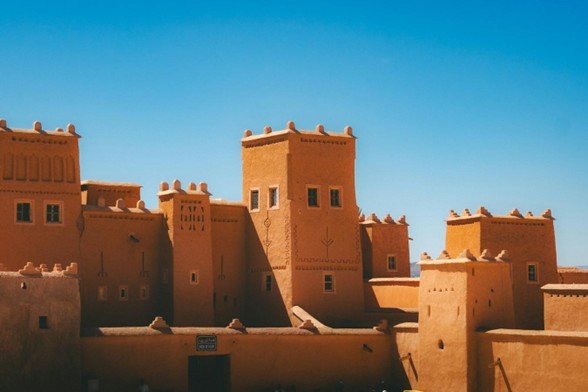
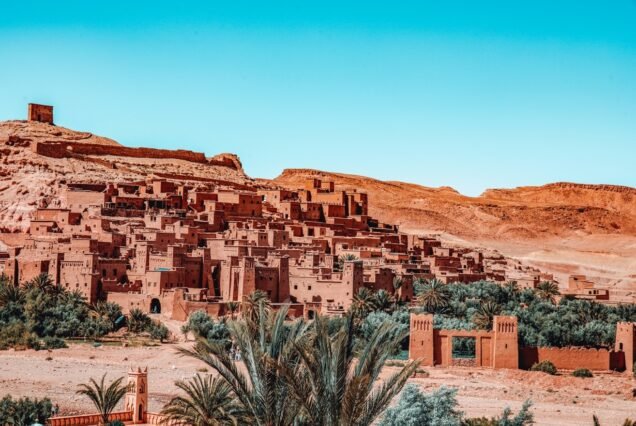
- Visits to iconic kasbahs, including UNESCO-listed Aït Benhaddou
Detailed Itinerary
Welcome to Morocco! Upon your arrival at Casablanca Airport, a private driver will be waiting to greet you. Enjoy a comfortable drive from Casablanca Airport to your hotel in Casablanca, which takes approximately 40 minutes. Overnight in Casablanca.
Start your tour by visiting the Hassan II Mosque. The Hassan II Mosque is located in Casablanca, Morocco. It is the largest mosque in Morocco and the 13th largest in the world. The mosque stands on a promontory overlooking the Atlantic Ocean, making it a popular tourist destination. It was completed in 1993 and has a capacity of 105,000 worshippers. The mosque is also home to the world’s tallest minaret, standing at 210 meters (689 feet).
After Casablanca, enjoy another pleasant drive to Rabat. You will have half a day to discover this bustling city, Morocco’s capital since 1924 and a UNESCO World Heritage Site since 2012.
There are many attractions to explore in Rabat, including the Kasbah of the Udayas, a fortress built in the 12th century by the Almohad dynasty and now listed as a UNESCO World Heritage Site. The kasbah is home to several historic monuments, including the Grand Mosque and the Andalusian Gardens.
The Andalusian Gardens are beautiful 20th-century gardens located within the Kasbah of the Udayas. They are a popular tourist destination, known for their lush vegetation, colorful flowers, and tranquil atmosphere. The gardens are home to a variety of plants, trees, shrubs, and birds.
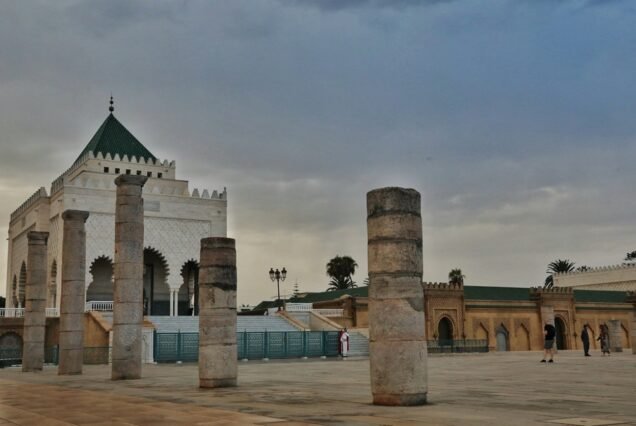
Continue your visit by wandering around the Hassan Tower and the Mausoleum of Mohammed V. The Hassan Tower was built in 1195 by the Almohad Caliph Yaqub al-Mansur and is part of the larger Hassan Mosque complex. It is a UNESCO World Heritage Site.
At the end of the day, settle into your hotel in Rabat.
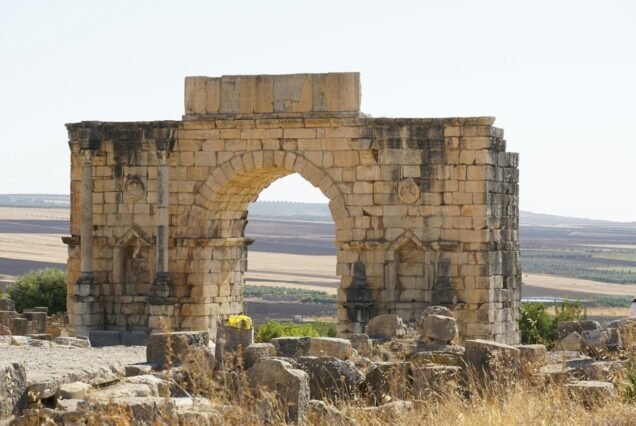
Say goodbye to Chefchaouen and head south to the UNESCO World Heritage Roman ruins of Volubilis.
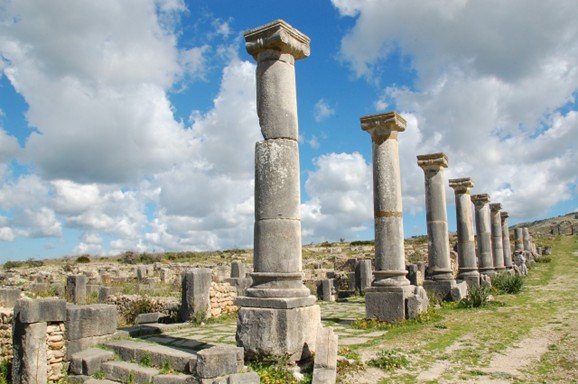
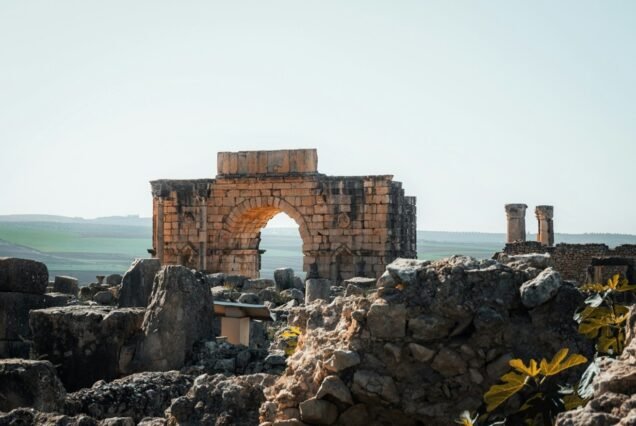
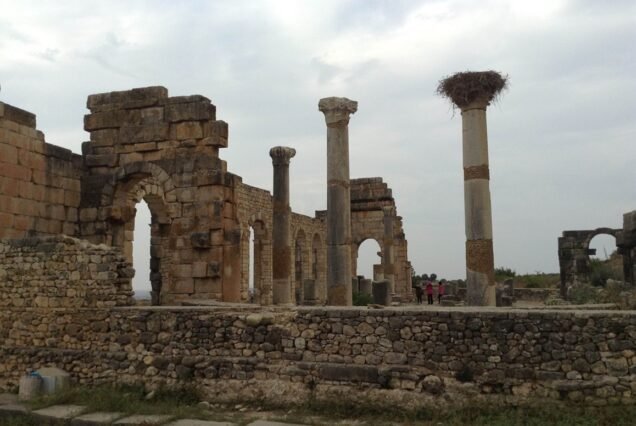
Volubilis is one of Morocco’s best-preserved Roman sites, located on a fertile plain surrounded by wheat fields. It was built before the Christian era, when the territory was part of the Berber Kingdom of Mauretania. It is believed that around 20,000 people once inhabited this 42-hectare walled city, whose wealth was largely derived from olive production.
While traveling toward Fes, stop in Meknes to explore Bab Mansour Gate. Completed in 1732, the gate is notable not only for its impressive size but also for its original green and white zellij tiles, marble columns, and Quranic inscriptions along the top.
Visit the Royal Granaries, also known as Heri es-Souani, which once served as stables for up to 12,000 horses and as storage for large quantities of grain. Although the Lisbon earthquake caused the roof to collapse in the 18th century, the site remains an impressive example of Moroccan architecture.
In the afternoon, continue to the city of Fes, where you will spend the night in a charming riad in the old Medina of Fes.
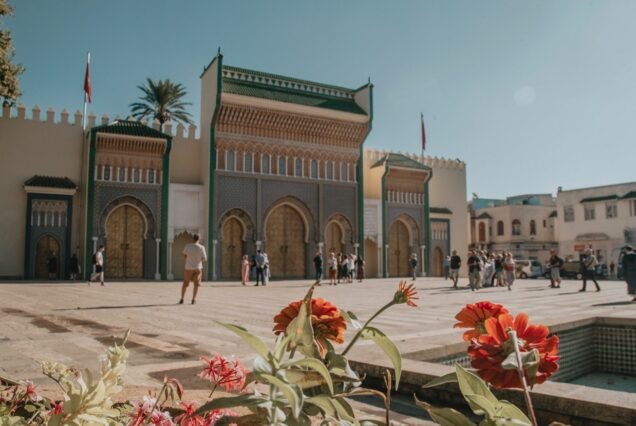
Meet your guide and spend half a day learning about the history and culture of Fes. It is considered the oldest imperial city in Morocco, and its Medina is one of the largest car-free urban areas in the world. In addition, the Medina of Fes is listed as a UNESCO World Heritage Site.
The Medina of Fes consists of two historic quarters: Fes el Bali and Fes el Jdid. The Nouvelle Ville was built during the French colonial era.
Wander through Fes el Bali, which dates back to the 8th century, and visit the 11th-century Chouara Tannery, the largest and busiest medieval tannery in the world. This ancient tannery processes leather from sheep, cows, goats, and other similar animals.
The next stop is Al Quaraouiyine University and its mosque, built in 859 AD by the Tunisian-born Fatima al-Fihri. It is not only one of the oldest institutions in the world but also the first university to be founded by a woman.
Admire the intricately crafted woodwork and tilework during a visit to the Al Attarine Madrasa. Continue to the Mellah quarter (the Jewish neighborhood) in Fes el Jdid, which dates from the 13th century.
In the afternoon, return to your riad.
Depart from Fes and travel south toward Merzouga, your final destination, home to the spectacular Saharan dunes of Erg Chebbi, where you will enjoy a camel ride before sunset.
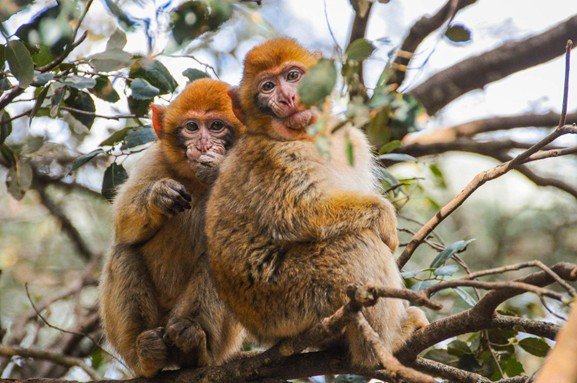
Your journey takes you through Ifrane, a charming town in the Middle Atlas Mountains, often referred to as the “Switzerland of Morocco” for its alpine climate, clean streets, and distinctive architecture. Continue through the cedar forests of Azrou, where you may stop to photograph the local Barbary apes as they roam freely among the trees and along the roadside.
The route then leads toward Midelt, known as the “Apple City,” crossing the Col du Zad at an elevation of 2,178 meters (7,146 feet). Here, you will be surrounded by breathtaking views of majestic mountains and lush vegetation. Stop in Midelt for lunch.
After lunch, continue your journey through the High Atlas Mountains, crossing the Tizi n’Talghemt Pass at an altitude of 1,660 meters (5,450 feet). Along the way, admire vast oases and traditional fortified villages known as ksours, built by Berber communities to protect their valuable goods.
As you approach Erfoud, you will begin to notice the first signs of the Saharan landscape. Discover ancient underground irrigation systems (khettaras), an ingenious method of water management used long before modern pumps, as well as nomadic shepherd settlements scattered across the region.
Arrive in Erfoud, a town renowned for its Saharan culture, palm groves, ksours, date festival, and fossil mining industry. Along the road, you may see fossil extraction sites and artisan workshops where these ancient stones are transformed.
Soon after, you will cross the vast sea of sand dunes known as Erg Chebbi, covering approximately 35 square kilometers (13.5 square miles). These towering dunes constantly shift with the wind and change color throughout the day, creating especially stunning hues just before sunset.
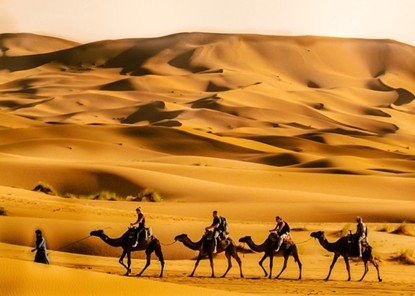
Near Merzouga, switch from your vehicle to a camel and ride across the golden dunes to your Berber desert camp. Upon arrival after sunset, enjoy dinner and relax around the campfire while listening to traditional Berber music. Spend the night in a comfortable Berber-style tent beneath a vast star-filled sky, with the Milky Way shining overhead.
To be ready for a breathtaking sunrise over the sand dunes, we recommend waking up early before dawn and stepping outside your tent to admire this unforgettable moment. After breakfast, spend the morning discovering more about the Sahara. You may choose to hire a sandboard and test your skills on the dunes, or optionally sign up for an ATV excursion.
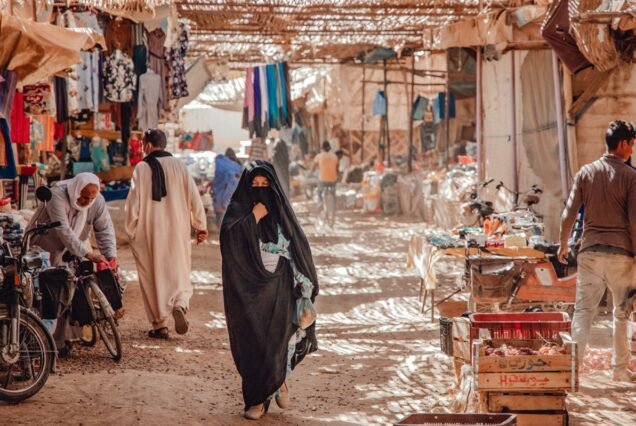
Later, visit the town of Rissani, known as the ancestral home of the Alaouite dynasty, the current ruling family of Morocco. Rissani is also home to the mausoleum of Moulay Ali Cherif, the ancestor of the Alaouite dynasty. The town is famous for its traditional local markets, where residents buy and sell a wide variety of goods such as dates, spices, and other local products. The market offers a unique opportunity to step back in time and observe how local communities gather not only for trade, but also to socialize, exchange news, and maintain strong community ties.
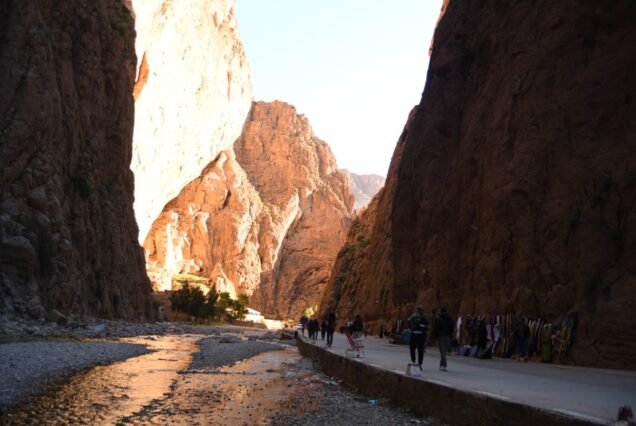
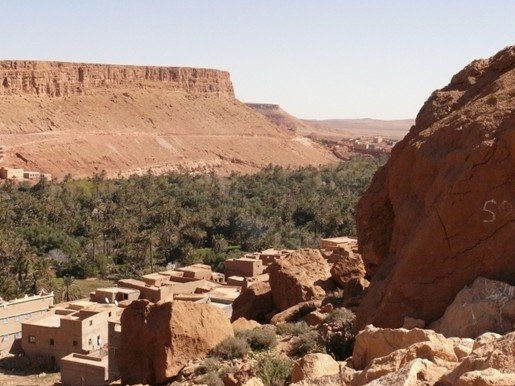
Continue toward the desert town of Tinghir, renowned for the spectacular Todra Gorges, a dramatic canyon with towering red limestone cliffs reaching up to 160 meters (520 feet) high. The narrow gorge, carved by the Todra River, is dotted with caves and offers breathtaking views of the surrounding landscape. Enjoy an easy walk through the canyon, or relax in the cool river water while taking in the beauty of this stunning natural site, a popular destination for hikers and sightseers.
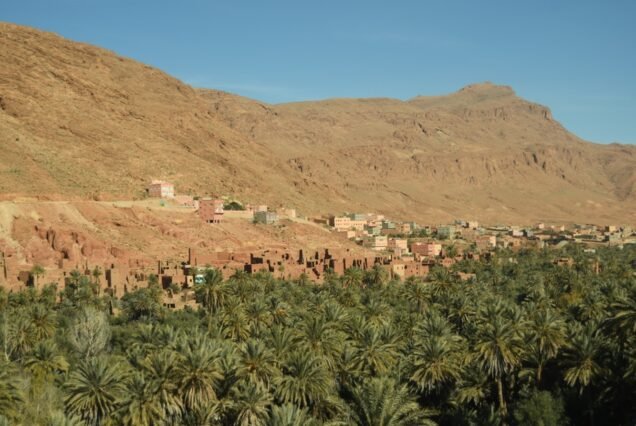
Afterwards, travel to the Dades Valley, famous for its impressive landscapes of mountains, fig trees, oases, and traditional mud-brick villages. Home to the Berber people, the valley is renowned for its ancient kasbahs and natural beauty. The Dades Valley is an ideal destination for adventure, culture, and nature lovers, with activities such as exploring local villages and trekking in the surrounding mountains. Overnight in the Dades Valley.
Start your journey Morning from Dades Valley to Marrakech , you'll travel through The rose Valley which It is famous for the production of roses and its annual festival, the Festival of Roses , is an annual event that is held in El Kelaa M'Gouna, Morocco, in May each year. The festival celebrates the rose and its many uses in the region, from traditional uses such as for perfume, to more modern uses . During the festival, visitors can enjoy traditional music, dance performances and activities . There is also a competition to crown the Rose Queen, who is chosen based on her beauty, her knowledge of traditional culture. The town is located in a fertile valley of the M'Goun River, surrounded by mountains and oases. It is known for its traditional architecture and its Berber culture. Continue along the Valley of a Thousand Kasbahs through Skoura Know for its beautiful palm groove oasis which is home to a number of small villages. The area is renowned for its beautiful palm groves. Popular attractions in the area include the ruins of the 17th-century Kasbah Amerhidil. Next , stop is the city of Ouarzazate the Hollywood of Morocco ,The city is known for its many ancient fortresses, and kasbahs, and its proximity to the Sahara Desert. Ouarzazate is a gateway to the Draa Valley , the Anti Atlas Mountains, and the Erg Chebbi sand dunes. It is a popular filming destination, and many films and television shows have been filmed in the area, including Lawrence of Arabia and Gladiator. yo can stake tour the Atlas Studio to learn about the Movies that have featured in Hollywood production for the last century ,as well The studio also offers a variety of locations for shooting, including deserts, mountains, and lush oases.Half hour later you will get to Ait Benhaddou Kasbah ,a fortified city located in the southeastern part of Morocco. It was once an important stop along the trans-Saharan trading route, and is now a UNESCO World Heritage Site. The kasbah is made up of traditional adobe buildings that are still inhabited today.Wander the Kasbah to Explore the winding streets, discover the old buildings, and marvel at the ancient architecture.From Ait Benhaddou to Marrakech through the High Atlas Mountain and through The pass of Tizi N'tichka which stand at (2260 m - 7414 Feet),the Road winds through the stunning mountains, passing Berber villages and stunning views of the valley and Atlas Mountains. The Journey ends in Marrakech, the bustling city with its ancient souks and historic monuments.
Included/Excluded
- The Essence Of Morocco : 7 Days Of Culture Mountains & Sahara Desert
- Private 4×4 jeep with air conditioning (mini-bus with air conditioning for groups larger than six).
- English-speaking driver/guide.
- Fuel and all transportation-related expenses.
- 5 nights in a hotel or riad on a BB (breakfast ), in rooms with private bathrooms.
- 1 night in a desert tented camp, including Breakfast & dinner and accommodation.
- One night in a Dades Valley Hotel ,on a half-board basis (breakfast and dinner )
- Guided tours of the Medinas of Rabat and Fes with a certified English-speaking local guide.
- Camel (dromedary) excursion in the desert.
- Exclusive, private services (no other guests will be added to the group).
- International and domestic flights.
- Lunches.
- Beverages.
- Entrance fees to monuments and attractions.
- Tips and personal expenses.
- Dinner.
- Any services not explicitly listed under "Included" in the Price.
Tour Map
You May Like
The Ultimate Morocco: 8 Days Tour from Casablanca to Marrakech via Sahara & Blue City
Morocco Discovery: 9 Days Tour from Casablanca to Imperial Cities & Sahara Desert