Morocco Grand Tour: 14 Days Trip from Casablanca to Sahara, Imperial & Coastal Cities

Duration

14 DAYS

Start in

Casablanaca

End in

Casablanaca

Pickup

Airport/Accommodation

OVERVIEW OF 14 DAYS MOROCCO GRAND TOUR

Experience the magic of Morocco on this immersive 14-day journey that connects the country’s imperial cities, coastal gems, towering mountains, and the golden sands of the Sahara. Your adventure begins in cosmopolitan Casablanca, continues through the historic capital Rabat, the artistic white town of Asilah, and the vibrant port city of Tangier.

Wander the famed blue alleys of Chefchaouen before traveling through ancient Roman ruins, medieval imperial capitals, and authentic Berber villages. Explore the spiritual heart of Fez, cross the cedar forests and mountain passes of the Middle and High Atlas, and venture deep into the Sahara for an unforgettable camel trek and night under the stars.

The journey continues through dramatic valleys, ancient ksars, and the Hollywood backdrop of Ouarzazate, before reaching the bustling souks and architectural wonders of Marrakech. End your trip with the serene coastal charms of Essaouira and the seaside fortress of El Jadida, before returning to Casablanca for your departure.

Tour Highlights

  • Explore the Capita of Rabat, the medieval maze of Fes, and the vibrant energy of Marrakech.
  •  Wander the calm, photogenic blue alleyways of the “Blue Pearl,” explore its historic kasbah,
  •  Ride a camel over the shifting dunes of Erg Chebbi,
  •  Sleep under the Milky Way in a traditional desert camp—an unforgettable Sahara experience.
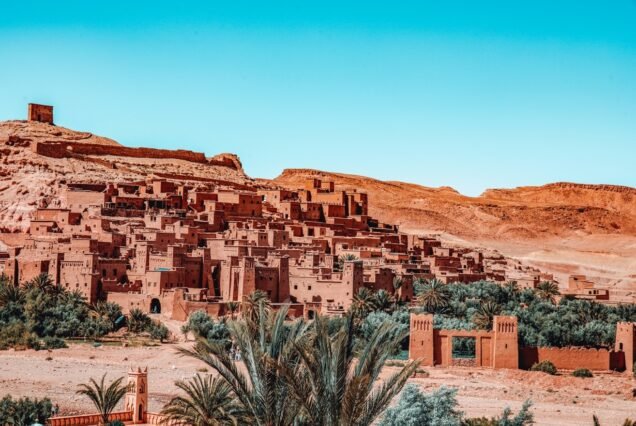
  •  Visit the legendary ksar of Ait Benhaddou, a UNESCO World Heritage site featured in countless films.
  •  Relax in the breezy coastal town of Essaouira, known for its artsy medina, sandy beaches Etc.

Detailed Itinerary

Day 01 Arrival in Casablanca

Welcome to Morocco! Upon your arrival at Casablanca Airport, a private driver will await you. Then, enjoy your car ride from the airport to your hotel in Casablanca, which will take about 40 minutes.

Overnight in Casablanca.

Day 02 Casablanca-Rabat

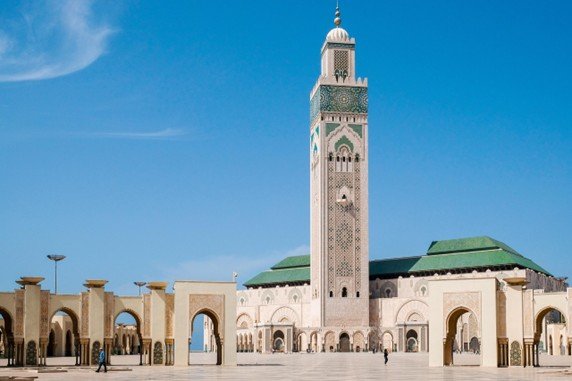
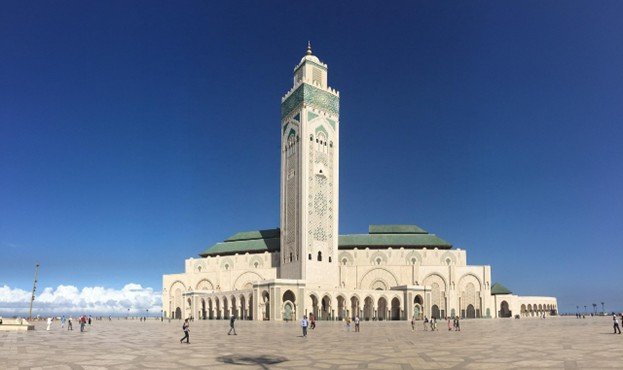
The Majesty of the Hassan II Mosque Start your tour by visiting the Hassan II Mosque in Casablanca. It is the largest mosque in Morocco and the 13th largest in the world. Standing on a promontory overlooking the Atlantic Ocean, it is a truly popular destination. Completed in 1993 with a capacity of 105,000 worshippers, the mosque is also home to the world's tallest minaret, standing at an impressive 210 meters (689 feet).

Discovering the Capital: Rabat After Casablanca, enjoy another lovely car ride to Rabat. You'll have half a day to discover this bustling city, Morocco's capital since 1924 and a UNESCO World Heritage Site since 2012. There are many attractions to explore, including the Kasbah of the Udayas, a fortress built in the 12th century by the Almohad dynasty. Within the Kasbah, you can find historic monuments such as the Grand Mosque and the Andalusian Gardens. This beautiful 20th-century garden is known for its lush vegetation, colorful flowers, and tranquil atmosphere, providing a home to a variety of plants, trees, shrubs, and birds.

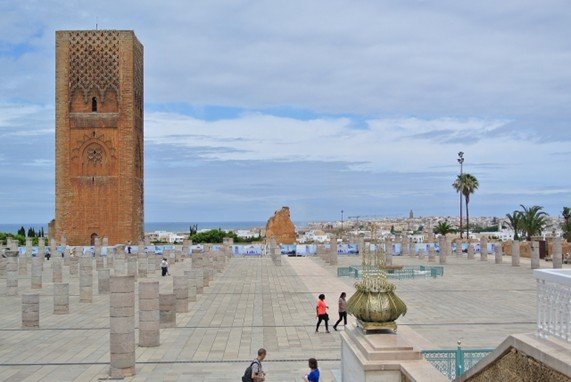
Historic Landmarks of the Almohad Era Continue your exploration as you wander by the Hassan Tower and the Mausoleum of Mohamed V. The Hassan Tower is the tallest minaret in the country, standing at an impressive 210 feet tall. Built in 1195 by the Almohad Caliph Yaqub al-Mansur as part of the larger Hassan Mosque complex, this tower is also a UNESCO World Heritage Site. After your visit, settle into your hotel in Rabat.

Day 03 Explore Asilah and Tanger

The White City of Asilah The next day, travel north to the white city of Asilah, a coastal town located on the Atlantic Ocean. It has a long and rich history, dating back to the Phoenicians who settled in the area in the 8th century BC. The town was later occupied by the Romans, the Vandals, and the Arabs. In the 15th century, the Portuguese occupied the town and built a fortress to protect it from the Moors, before it was taken by the Spanish in the 16th century.

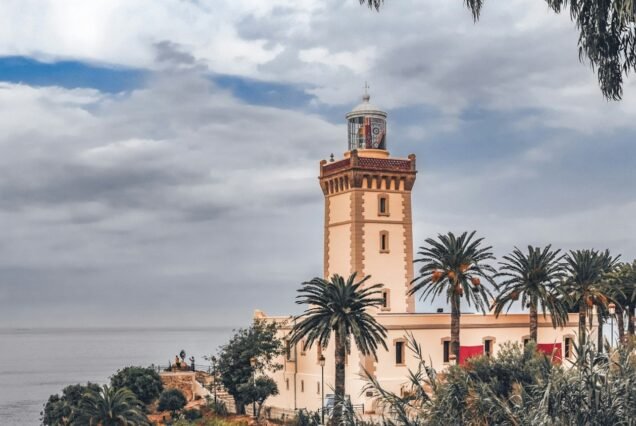
Natural Wonders of the North Once you've finished discovering Asilah, head toward the "Bride of the North," Tangier. Start your visit at the natural Hercules Cave, which is known for its stalactites and stalagmites. The cave is named after the Greek hero Hercules, who is said to have visited the cave during his legendary journey. Later, visit the Cap Spartel lighthouse, a 19th-century lighthouse that stands at the entrance of the Strait of Gibraltar and is known for its stunning views of the Mediterranean Sea.

The Heritage of Tangier Wander through the old medina of Tangier, a UNESCO World Heritage Site known for its narrow streets, colorful markets, and traditional architecture. The medina is home to many mosques and other historic buildings, reflecting the city's unique international history.

Day 04 From Tanger to Bleu City of Chefchaouen

Arrival and Historical Discovery Transfer from Tangier to Chefchaouen. Once you have arrived, you can settle into your accommodation and later head out to explore the city by yourself. Start your tour with a visit to the Kasbah and its Museum. This historic fortress, built in the 15th century, served as a defensive structure and the residence of local rulers. Today, it offers visitors a glimpse into the city's past, housing a museum, a mosque, and a peaceful garden.

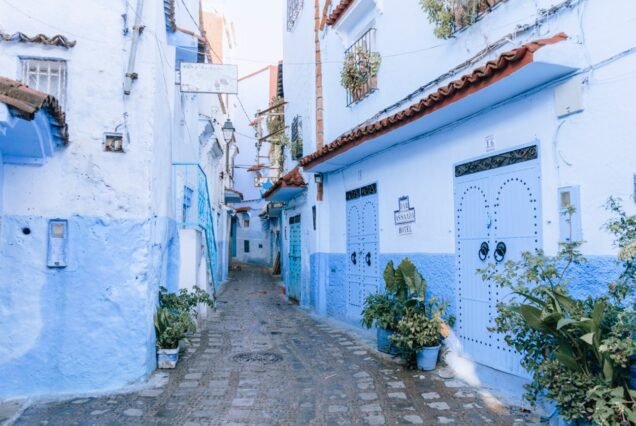
Wandering the Blue Medina Next, explore the winding streets of the old medina, where you can find colorful buildings, local shops, and restaurants. Take a stroll through the city's unique passageways, eventually arriving at the Ras El Ma Spring. This natural spring is the perfect place to take a break before continuing your walk.

Panoramic Views and Evening Atmosphere If you wish to see the sunset and a panoramic view of the city, you can follow the trail and climb the stairs to the Spanish Mosque, which involves a pleasant half-hour hike. After enjoying the sunset from this vantage point, you can walk back to the city to enjoy the peaceful atmosphere. For your evening, you can have dinner in the Plaza Uta el-Hammam before returning to your accommodation.
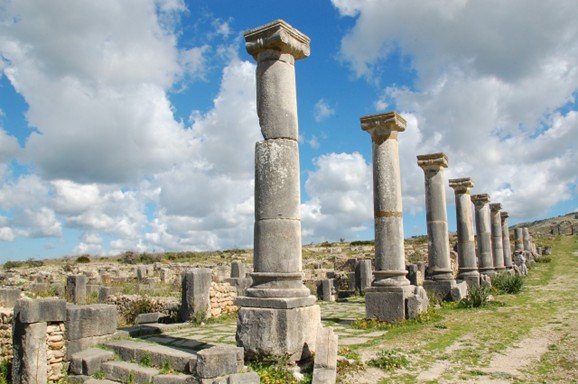
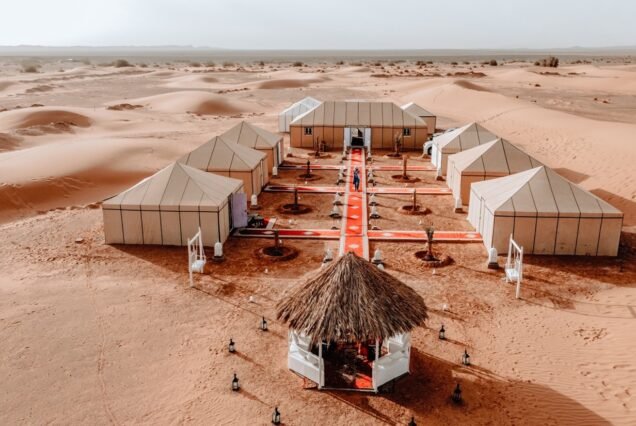
Day 05 Volubilis ( Roman Ruins ) and Meknes and the spiritual and cultural city of Fes

Early Morning in the Blue City Early morning is the best chance to wander the empty streets and snap beautiful pictures of the blue-washed alleyways before your breakfast. Afterward, say goodbye to Chefchaouen and head south toward the UNESCO World Heritage site of Volubilis.

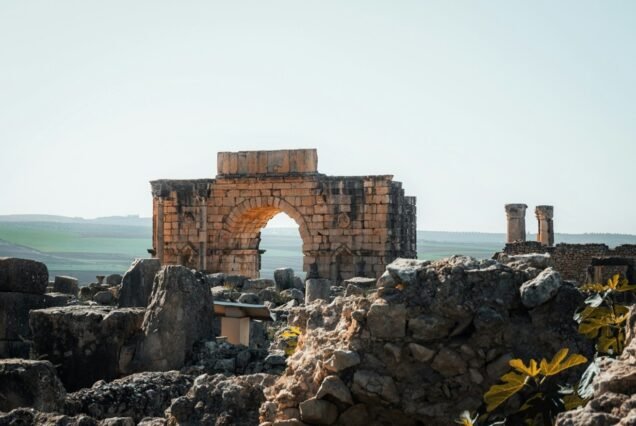
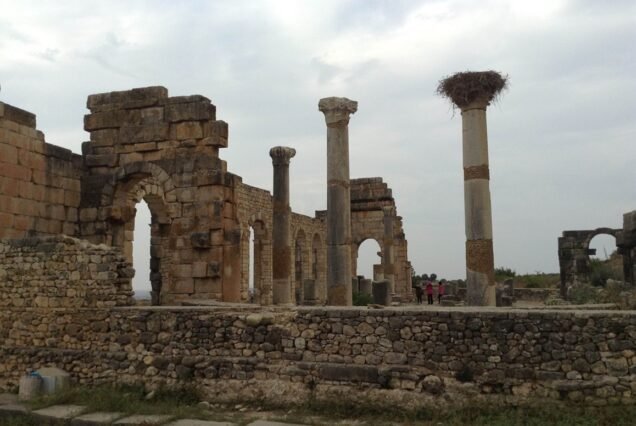
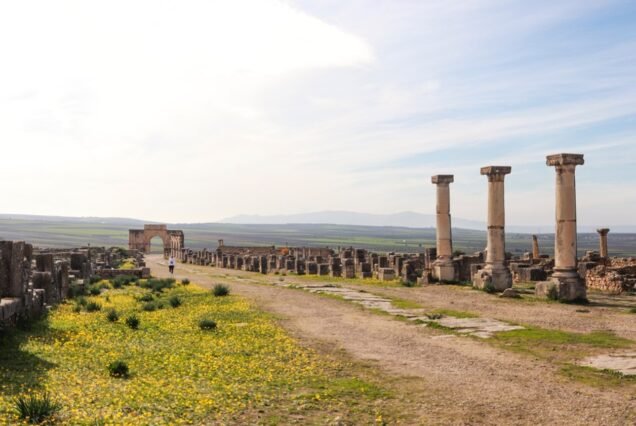
The Roman Ruins of Volubilis The Roman Ruins of Volubilis are among Morocco's best-preserved archaeological sites, located on a fertile plain surrounded by wheat fields. Built before the Christian Era when the territory was part of the Berber Kingdom of Mauretania, it is believed that 20,000 people once inhabited this 42-hectare walled city. Their wealth was primarily derived from olive production, and the site remains a testament to that prosperous era.

Imperial Meknes: Gates and Granaries While traveling toward Fes, you will stop in Meknes to explore the Bab Mansour Gate. Completed in 1732, this gate is notable not just for its size but also for its original green and white zellij tiles, marble columns, and Quranic inscriptions along the top. You will also visit the Royal Granaries, also known as Heri es-Souani. This site served as a stable for 12,000 horses and a store for an excessive amount of grain, although the 18th-century Lisbon earthquake caused the roof to collapse.

Arrival in the Cultural Capital The afternoon continues on to the city of Fes, where you will spend the night in a lovely Riad located within the heart of the old Medina.

Day 06 Explore Fes and its medieval Medina

The Living History of Morocco’s Oldest Imperial City Meet your guide and spend a half-day learning about the history and culture of Fes. It is considered the oldest imperial city in Morocco and its medina is one of the largest urban car-free zones in the world. Additionally, the Medina of Fes is listed as a UNESCO World Heritage site. The city is divided into two old quarters, Fes el Bali and Fes el Jdid, while the "Nouvelle Ville" was built later during the French colonial era.

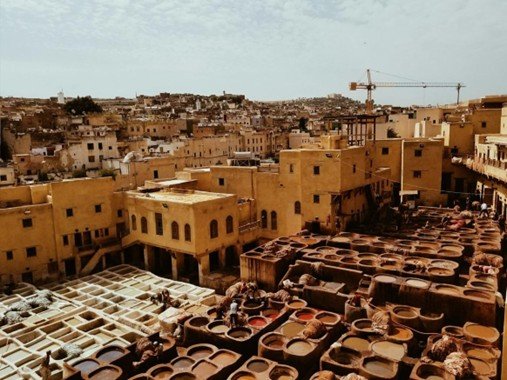
Wandering Fes el Bali and the Ancient Tanneries Wander through Fes el Bali, which dates back to the 8th century. Here, you will visit the Chouara Tannery, dating from the 11th century. It is the largest and busiest of the medieval tanneries and the world's oldest, where leather from sheep, cows, and goats is still processed using traditional methods.

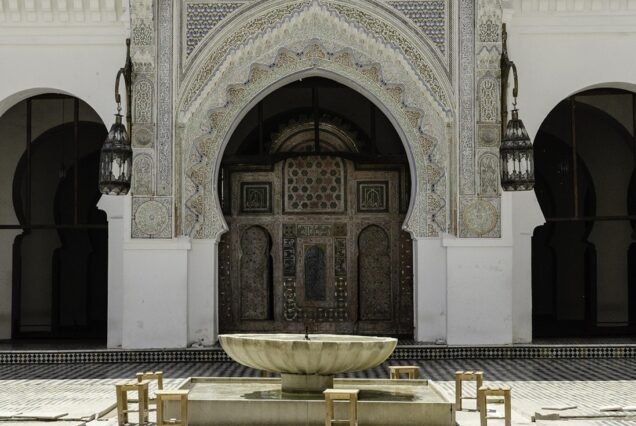
Architectural and Intellectual Wonders The next stop is the Al-Qarawiyyin University and Mosque, founded in 859 AD by Tunisian-born Fatima al-Fihri. It is not only an ancient institution but also the first university in the world to be founded by a woman. You will also visit the Al Attarine Madrasa, where you can admire intricately crafted woodwork and stunning tile work.

The Jewish Quarter and Fes el Jdid Your tour continues with a visit to the Mellah quarter (the historic Jewish neighborhood) and Fes el Jdid, which dates from the 13th century. In the afternoon, you will head back to your Riad to relax and enjoy the atmosphere of the Medina.

Day 07 Fes to the Sahara Desert Erg Chebbi - Azrou Forest - Ziz Valley - Sunset Camel Ride

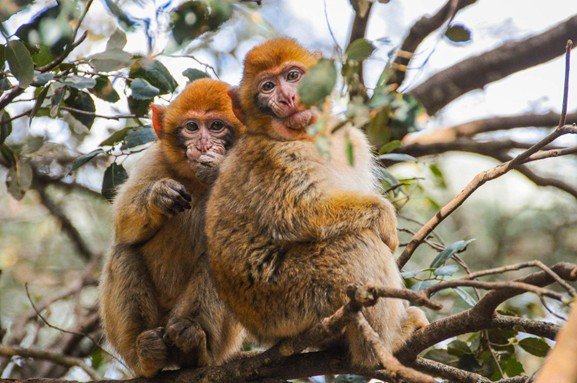
From the Middle Atlas to the Cedar Forests You'll depart from Fes and travel south toward Merzouga, where your final destination will be the Saharan dunes of Erg Chebbi. The journey begins through the town of Ifrane, a small town in the Middle Atlas mountains known for its Alpine climate, striking scenery, and luxury resorts. Continue your drive through the Cedar Forest of Azrou, where you can stop to take snapshots of the local Barbary apes in the trees and alongside the road.

Crossing High Altitude Passes Before stopping in Midelt, known as the "Apple City," you will climb to an elevation of 2,178 meters (7,146 feet) over the Col Zad. Here, you'll be surrounded by breathtaking views of majestic mountains and lush vegetation. After lunch, the journey continues over the High Atlas Mountains via the Tizi N'Talghemt pass at an altitude of 1,660m (5,450 ft). Along the way, admire the large oases and fortified villages known as Ksar, constructed by the Berbers to protect their precious products.

The Gateway to the Sahara Just before Erfoud, you'll see the first signs of the ever-shifting Saharan sand dunes and an ancient, ingenious method of water mining used to transfer water to farmland. You will also pass nomadic shepherds and their settlements. Upon reaching Erfoud, famous for its Saharan architecture, palm groves, and fossil mining factories, you can see the fossil mines where rocks are extracted from the earth. The city is also renowned for its proximity to the dunes and its annual date festival.

Sunset Camel Trek and Berber Camp You'll soon reach the huge sea of sand dunes known as Erg Chebbi, covering 35 square kilometers. These enormous dunes shift with the wind and change color throughout the day, looking particularly beautiful right before sunset. Near Merzouga, you will change your vehicle for a camel ride over the sand to your Berber Desert Camp. After watching the sunset from the top of a dune, you will enjoy a traditional meal and music by the campfire. You will spend the night in a Berber Tent under a vast night sky with the Milky Way shining above.

Day 08 The Sahara Desert- Khamlia Village – Rissani

Morning Sunrise and Desert Exploration Try to get up early to catch the sunrise before returning to the Berber camp to have your breakfast. Afterward, you will explore more of the desert by 4x4 wheel drive, venturing deeper into the Saharan landscape.

Gnaoua Culture and the History of Sijlmasa Head to the traditional Saharan village of Khamlia to enjoy soulful Gnaoua music and dance. From there, the journey takes you to Rissani, which served as a major caravan trading point until a century ago. Gold and silver trade were active in the Tafilalt region as late as the 1900s. Before the modern era, the most important city in the area was Sijlmasa; its ruins are still visible today, lying just outside the new city.

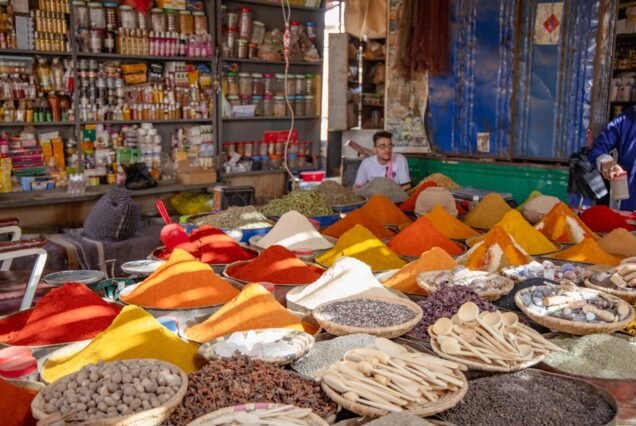
The Traditional Market of Rissani Stop in Rissani to visit the local market. Locals come here three times a week to shop for all their needs; specifically every Tuesday, Thursday, and Sunday, people gather to buy and sell various products, including dates, fruits, and much more. Historically, the market has also served as a vital social meeting point where locals meet each other to exchange news from the surrounding area.

Afternoon Adventure or Relaxation For the remainder of the day, there is an option to rent Quad ATVs or buggies to test your abilities on the sand dunes. Alternatively, you can choose to simply relax by the pool at your hotel and soak in the desert atmosphere.

Day 09 Dades Valley and Rose Valley - Ait Benhaddou Kasbah via Ouarzazate

The Valley of Roses and El Kelaa M'Gouna Start your journey in the morning from the Dades Valley toward Marrakech. You'll travel through the Rose Valley, famous for its rose production and its annual Festival of Roses. Held in El Kelaa M'Gouna every May, this festival celebrates the rose's many uses, from traditional perfumes to modern applications. During the event, visitors can enjoy traditional music, dance performances, and the competition to crown the Rose Queen, chosen for her beauty and knowledge of traditional culture. The town is located in the fertile valley of the M'Goun River, surrounded by mountains and oases, and is known for its traditional Berber architecture.

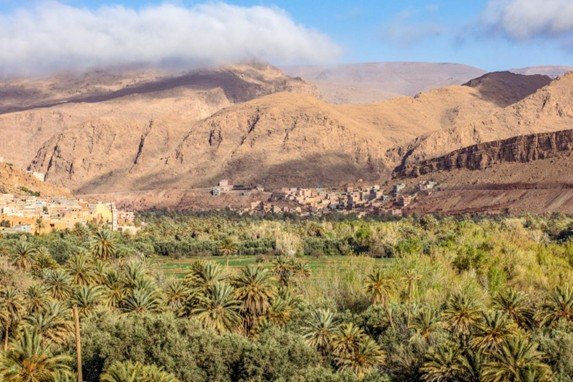
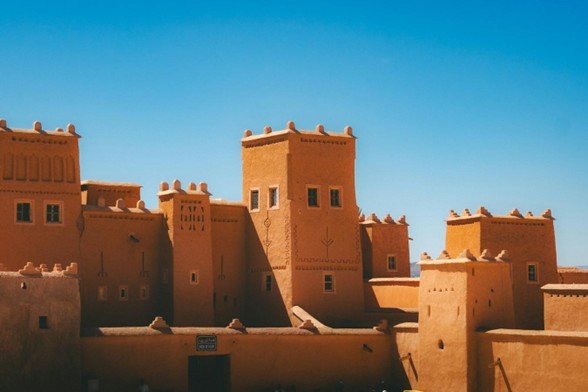
The Valley of a Thousand Kasbahs and Skoura Continue along the Valley of a Thousand Kasbahs through Skoura, known for its beautiful palm grove oasis which is home to a number of small villages. This area is renowned for its lush greenery and stunning landscapes. A popular attraction in the area includes the ruins of the 17th-century Kasbah Amerhidil, a true testament to the region's history.

Ouarzazate: The Hollywood of Morocco Your next stop is the city of Ouarzazate, often called the "Hollywood of Morocco." The city is famous for its ancient fortresses, its proximity to the Sahara Desert, and as a gateway to the Draa Valley and the Anti-Atlas Mountains. As a premier filming destination, many iconic films and television shows have been shot here, including Lawrence of Arabia and Gladiator. You can take a tour of the Atlas Studio to learn about the movies featured in Hollywood productions over the last century; the studio also offers a variety of diverse shooting locations, including deserts, mountains, and lush oases.

Day 10 From Ait Benhaddou ,Drive to Marrakech

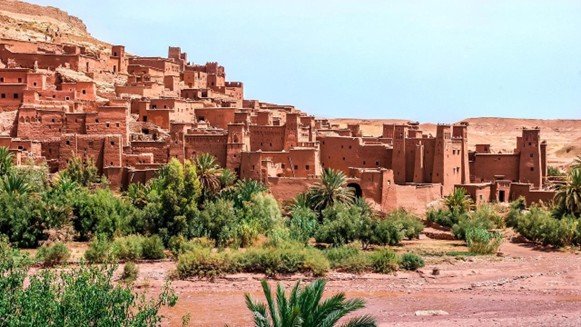
Sunrise at the UNESCO World Heritage Site Early in the morning, you can get up to catch the sunrise from the top of Ait Benhaddou Kasbah, a fortified city located in the southeastern part of Morocco. Once an important stop along the trans-Saharan trading route, it is now a UNESCO World Heritage Site. The Kasbah is made up of traditional adobe buildings that are still inhabited today. You can wander through the Kasbah to explore its winding streets, discover the old buildings, and marvel at the ancient architecture.

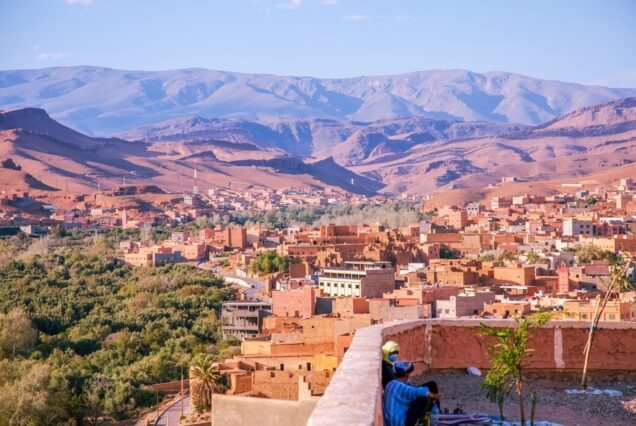
Crossing the High Atlas Mountains From Ait Benhaddou, your journey continues toward Marrakech, crossing the High Atlas Mountains via the famous Tizi N'tichka pass, which stands at an elevation of 2,260 meters (7,414 feet). The road winds through stunning mountain landscapes, passing traditional Berber villages and offering breathtaking views of the valleys and the Atlas peaks.

Arrival in the Red City The journey ends in Marrakech, the bustling city renowned for its ancient souks and historic monuments. After the tranquility of the mountains, you will arrive in the vibrant heart of the city to enjoy its unique atmosphere.

Day 11 Marrakech – Exploring Sights, Historical Landmarks & Majorelle Garden

The Berber Heritage of the Red City Far from the old Medina of Fes, Marrakech has more Amazigh (Berber) than Arab historical roots. Nicknamed the "Red City," Marrakech has always been a major economic center for the Berber Atlas Mountain tribes. You will start your day by visiting Morocco's top tourist attractions in this vibrant city.

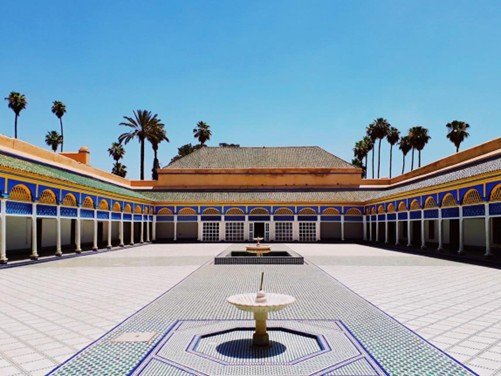
The Heart of the Medina: Jemaa el Fna & Palaces The journey begins at Jemaa el Fna, the main square and marketplace in the Medina (old city). A hub for both locals and tourists, the square truly comes to life in the afternoon with musicians and storytellers. Next, visit the Bahia Palace, a 19th-century structure featuring rooms beautifully decorated with stuccos, paintings, and mosaics, alongside a number of serene gardens. You will also explore the Saadian Tombs, an ancient royal necropolis located inside the royal Kasbah on the southern side of the Kasbah Mosque.

Architectural Icons: Koutoubia & Ben Youssef Orient yourself to the west, where you will find the Koutoubia Mosque and its beautiful garden. Built in the 12th century, its minaret remains the tallest building in Marrakech, standing at 70 meters. The tour continues with a visit to the Madrasa Ben Youssef, an Islamic school from the 16th century, where you can admire intricately crafted woodwork, tile work, and carved cedar ceilings.

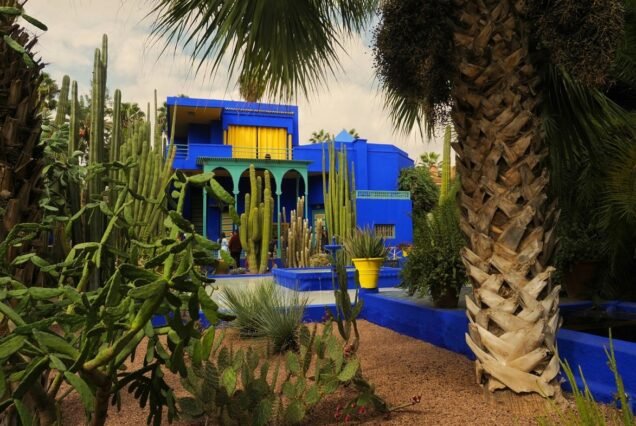
The Botanical Beauty of Majorelle Garden End your visit in the new city at the Majorelle Garden, a one-hectare artist-landmark and botanical garden in the Nouvelle Ville. Starting in 1923, the French Orientalist artist Jacques Majorelle worked on it for nearly forty years. The garden also includes a stunning villa designed by the French artist himself.

Day 12 Marrakech to Essaouira

The Argan Forest and Climbing Goats Morning departure as you travel to the West Coast from the Red City of Marrakech. Your journey continues over massive rolling plains, leading you through a unique Argan tree forest. In this region, goats are famous for their ability to climb trees and their love for the Argan fruit. It is a common and fascinating sight to see goats perched among the tree branches, eating the fruit high above the ground.

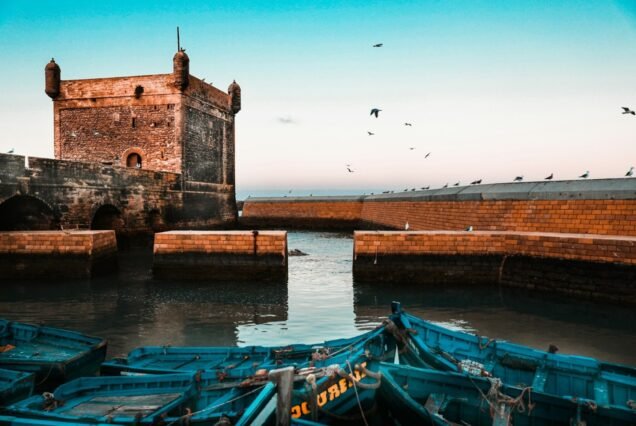
Essaouira: A Cultural Crossroads Essaouira is a captivating coastal town famous for its historic Medina and bustling souks. The city is renowned for its strong blend of African, Jewish, and European cultures, making it a truly unique destination. The Medina is home to numerous art galleries, local restaurants, and boutique shops, while the city's traditional harbor acts as a gateway to the Atlantic Ocean.

Adventure and Relaxation For those seeking activity, Essaouira offers numerous outdoor sports such as windsurfing and kiteboarding. If you prefer a slower pace, there are plenty of beautiful beaches perfectly suited for relaxation and taking in the sea breeze.

Day 13 Essaouira - El Jadida - Casablanca

Seaside Journey & El Jadida Your driver will take you to Casablanca this morning via the scenic seaside road. Along the way, you will stop in a few of Morocco's coastal cities to stretch your legs and explore. A highlight of the drive is El Jadida, a UNESCO World Heritage site constructed in the 16th century. Here, you can tour the famous Portuguese Cistern, walk the ancient ramparts, and explore the Church of the Assumption. You’ll have the opportunity to enjoy lunch in the city before continuing north.

Arrival in the Economic Capital Your final destination is Casablanca, the major economic hub of Morocco. The city is a fascinating blend of tradition and modernity, known for:

  • Architecture: Elegant French-style buildings and wide boulevards.

  • Atmosphere: Vibrant nightlife and picturesque urban beaches.

  • Landmarks: Iconic sites such as the majestic Hassan II Mosque and the famous Rick’s Café, inspired by the classic film.

Day 14 Flight Home from Casablanca

Final Moments in Morocco Relax and take advantage of your last few hours in Casablanca City before your journey concludes. Whether you choose to do some last-minute sightseeing or enjoy a final Moroccan tea, ensure you leave ample time for your transfer.

Airport Transfer Please note that the Casablanca Airport is approximately a 50-minute drive from your hotel. Your driver will ensure you arrive on time for your check-in.

Safe Travels Have a pleasant and secure trip home or to your next destination! We hope you carry wonderful memories of your Moroccan adventure.

Included/Excluded

  • Transportation according to the planned itinerary.
  • Private 4×4 jeep with air conditioning (mini-bus with air conditioning for groups larger than six).
  • English-speaking driver/guide.
  • Fuel and all transportation-related expenses.
  • 10 nights in a hotel or riad on a BB (breakfast ), in rooms with private bathrooms.
  • 1 night in a desert tented camp, including Beakfast & dinner and accommodation.
  • 1 night in a desert Hotel , including Beakfast & dinner and accommodation.
  • One night in a Dades Valley Hotel , on a half-board basis (breakfast and dinner )
  • Guided tours of the Medinas of Marrakech and Fes with a certified English-speaking local guide.
  • Camel (dromedary) excursion in the desert.
  • Exclusive, private services (no other guests will be added to the group).
  • International and domestic flights.
  • Lunches.
  • Dinner.
  • Beverages.
  • Entrance fees to monuments and attractions.
  • Tips and personal expenses.
  • Any services not explicitly listed under "Included in the Price".

Tour Map

Comments are closed.

From
$0.00
Request Form

Guests

0

Adults

$0.00