Majestic Morocco: 12 Days Tour from Casablanca to Imperial Cities, Sahara & Blue City

Duration

12 DAYS

Start in

Casablanca

End in

Casablanca

Pickup

Airport/Accommodation

OVERVIEW OF 12 DAYS OF MAJESTIC MOROCCO

Embark on an unforgettable 12-day journey through Morocco, a land where ancient history, diverse landscapes, and vibrant cultures meet. Begin in Casablanca with a visit to the majestic Hassan II Mosque before traveling along the Atlantic coast to explore the imperial treasures of Rabat and the cosmopolitan energy of Tangier.

Discover the charm of Chefchaouen, the famed blue jewel of the Rif Mountains, and step back in time among the Roman ruins of Volubilis and the imperial city of Meknes. Dive deeper into Morocco’s cultural heart as you wander through the medieval medina of Fez, then journey south through cedar forests, fertile valleys, and dramatic mountain passes to reach the golden dunes of the Sahara.

Experience a magical camel ride at sunset, Berber hospitality, and a night under the stars. Continue through dramatic gorges and lush oases to the film-famous kasbah of Ait Benhaddou before crossing the High Atlas Mountains to Marrakech. A city alive with history, artistry, and color. Conclude your adventure by the Atlantic in the laid-back coastal town of Essaouira and return to Casablanca with memories of Morocco’s enchanting landscapes, ancient architecture, and timeless traditions.

Tour Highlights

  •  Experience the vibrant blend of African and European influences in Tangier.
  •  Walk among the remarkably preserved Roman ruins of Volubilis, And the city of  Meknes
  •  Wander the enchanting “Blue City,” perched in the Rif Mountains.
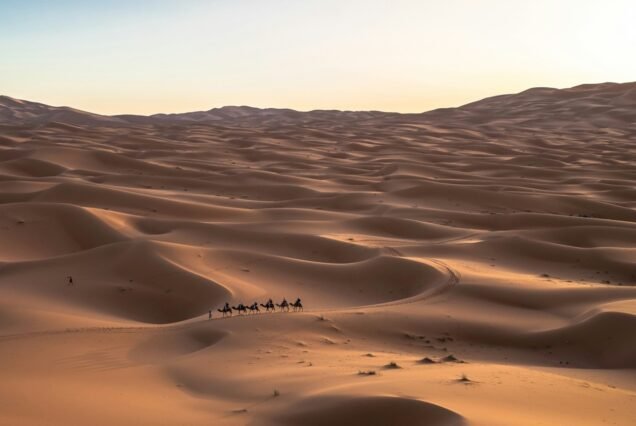
  •  Experience one of Morocco’s most iconic moments as you ride a camel over golden dunes
  •  Explore the  timeless heritage of the Imperial Cities: Rabat, Meknes, Fes, and Marrakech.
  •  Walk among the remarkably preserved Roman ruins of Volubilis, And the city of  Meknes

Detailed Itinerary

Day 01 Arrive in Casablanca, Transfer to Rabat

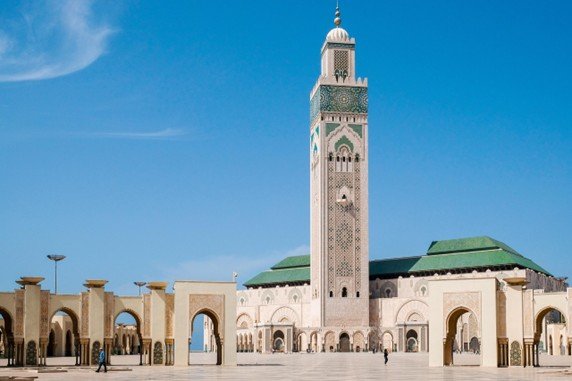
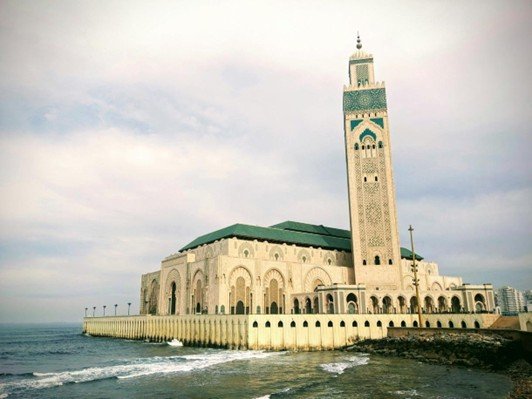
Welcome to Morocco! Start your tour by exploring the main attraction of Casablanca, the Hassan II Mosque.

The Hassan II Mosque is a stunning sight to behold. Its grand façade and towering 210-meter (690-foot) minaret make it one of the most iconic landmarks in Morocco. Located in the heart of Casablanca, it opened its doors in 1993 and features an exquisite combination of traditional Islamic architecture and modern Moroccan styles.

Inside, the mosque is an astonishingly beautiful space. Its walls are decorated with intricate mosaics, and its floor is covered with a stunning Persian carpet. The Hassan II Mosque has a capacity of 25,000 people and is one of the few mosques in the world where non-Muslims are allowed to enter.

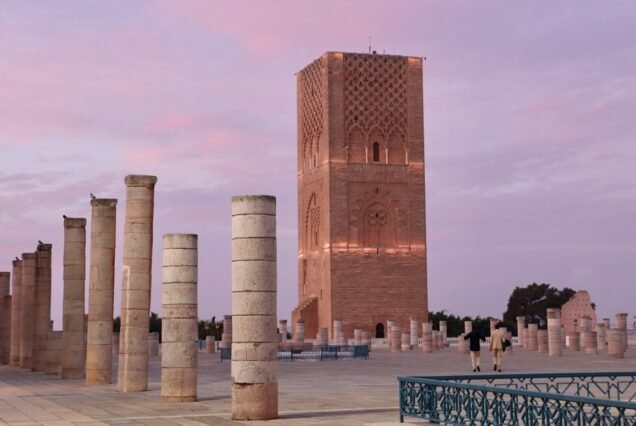
Travel to the capital of Morocco, Rabat, located on the Atlantic coast. In the afternoon, explore the Kasbah of the Udayas, built in the 12th century to overlook the Bou Regreg (Ribat) River. It served as a military base for the Almohad dynasty led by Sultan Abdelmoumen and Yaakoub al Mansour. Explore the Andalusian Gardens, built in the 20th century during the French occupation, offering a peaceful escape from the crowds. Finally, visit the Hassan Tower, an unfinished mosque from the 12th century; today, only around 200 columns remain, along with the red stone tower standing at 44 meters (145 feet).

End your day in Rabat.

Day 02 Arrive in Casablanca, Transfer to Tangier

Travel north to Asilah, on the shores of the Atlantic Ocean. The town has a long and rich history, having been occupied by the Phoenicians, Romans, Portuguese, and Spanish.

The Phoenicians first settled in Asilah in the 10th century BC, establishing it as a major trading port. During the Roman period, the city served as a base for the Mare Nostrum, the Roman naval fleet. From the 16th century onward, Asilah was occupied by the Portuguese, who used it as a center for regional trade. In 1549, they built a citadel to defend the city against attacks from local Berber tribes. In 1692, the Spanish took control of Asilah and ruled it until 1790.

Today, Asilah is known for its whitewashed buildings, cobbled streets, and vibrant art galleries. The town is a popular tourist destination, offering a charming medina, old fortifications, and beautiful beaches.

Continue with a tour of Tangier, which takes you through its bustling markets, ancient medina, and impressive architecture. Visit the Caves of Hercules, a natural cave located near Tangier and named after the mythical hero Hercules, who is said to have rested here during his legendary labors. Inside the cave, you can explore winding passageways, admire stalactites and stalagmites, and observe unique rock formations.

Later, stop at Cape Spartel, the point where the Mediterranean Sea meets the Atlantic Ocean. Tangier, a major port and trading center, has long been an important cultural and economic crossroads for centuries.

Day 03 Tangier to The Blue City of Chefchaouen Over the Rif Mounatin

Travel north to the blue city of Chefchaouen over the Rif Mountains. Upon arrival in the afternoon, begin discovering Chefchaouen at a relaxed pace.

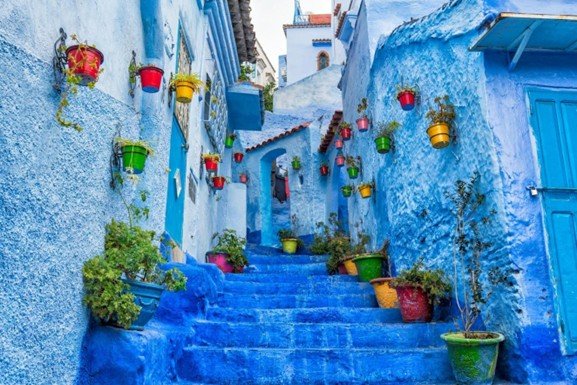
The historic medina of Chefchaouen, largely untouched since the 15th century, is famous for its blue-washed buildings and calm, laid-back atmosphere. Stroll through the old quarter and meet some of the local residents as you explore the winding, narrow streets and alleyways that cling to the northern hillside of the mountains.

Visit Plaza Uta el-Hammam, the main square of Chefchaouen, named after the old hammam (public baths) that once surrounded it. Take a leisurely walk around the plaza and admire the city’s charming architecture. Just beside the square, visit the Grand Mosque and the Kasbah. Built in the 15th century, the kasbah features a peaceful garden, a small museum, and former prison cells.

Continue exploring the streets of Chefchaouen’s medina, filled with vibrant shades of blue, accented by touches of red and white. Wander through the narrow alleys, admire local artwork and handmade souvenirs, and enjoy a meal at one of the many local restaurants.

Later, walk up the path leading to the abandoned White Spanish Mosque (about 20 to 30 minutes) to enjoy one last panoramic view over Chefchaouen as the sun sets behind the mountains.

Day 04 Volubilis (Roman Ruins), Meknes, and the Spiritual and Cultural City of Fes
Early morning is the best time to wander through the quiet streets and capture beautiful photos of the blue-washed alleys before breakfast.

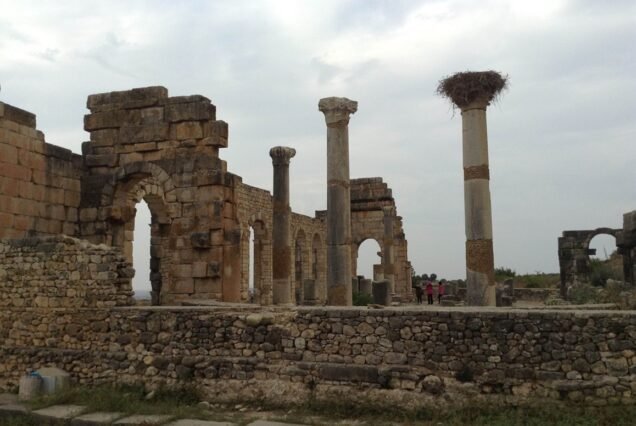
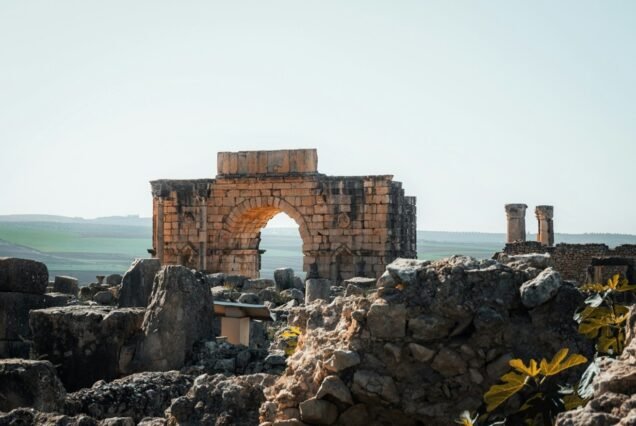
Say goodbye to Chefchaouen and head south toward the UNESCO World Heritage Roman ruins of Volubilis. Volubilis is one of Morocco’s best-preserved Roman archaeological sites, located on a fertile plain surrounded by wheat fields. It was established before the Christian era, when the region was part of the Berber Kingdom of Mauretania. It is believed that around 20,000 people once lived within its 42-hectare walled city, with wealth largely derived from olive oil production.

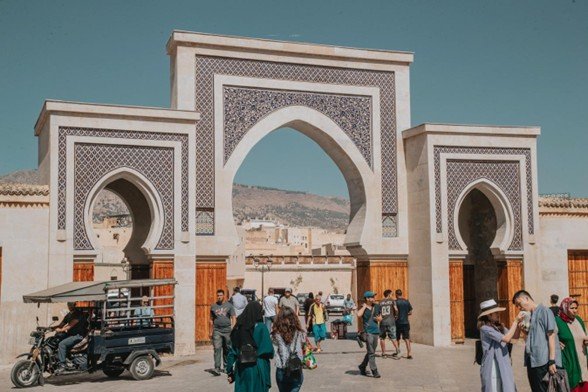
On the way to Fes, stop in Meknes to visit Bab Mansour Gate. Completed in 1732, the gate is remarkable for its impressive size, green and white zellij tiles, marble columns, and Quranic inscriptions decorating the upper façade. Continue to the Royal Granaries, also known as Heri es-Souani, which once served as stables for up to 12,000 horses and as storage for vast quantities of grain. Although the roof collapsed following the Lisbon earthquake in the 18th century, the site remains an impressive example of Moroccan engineering.

In the afternoon, continue to the city of Fes, where you will spend the night in a charming riad located in the heart of the old medina.
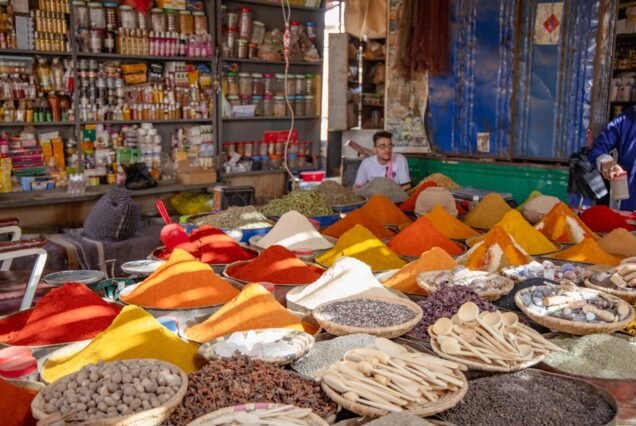
Day 05 Explore Fes and its medieval Medina

Meet your guide and enjoy a half-day tour discovering the history and culture of Fes. It is considered the oldest imperial city in Morocco, and its medina is one of the largest car-free urban areas in the world. In addition, the Medina of Fes is listed as a UNESCO World Heritage Site.

Fes is composed of two historic medina quarters: Fes el Bali and Fes el Jdid. The Nouvelle Ville was later developed during the French colonial era.

Wander through Fes el Bali, founded in the 8th century, and visit the Chouara Tannery, dating back to the 11th century. It is the largest and busiest medieval tannery and the oldest continually operating tannery in the world, where leather from sheep, cows, goats, and other animals is traditionally processed.

Next, visit Al Quaraouiyine University and Mosque, founded in 859 AD by the Tunisian-born Fatima al-Fihri. It is not only the oldest existing university in the world but also the first to be founded by a woman. Continue to the Al Attarine Madrasa and admire its finely crafted woodwork and intricate tile decoration.

Then visit the Mellah, the Jewish quarter of Fes el Jdid, which dates back to the 13th century. In the afternoon, return to your riad to relax.

Day 06 Fes to the Sahara Desert Erg Chebbi - Azrou Forest - Ziz Valley - Sunset Camel Ride

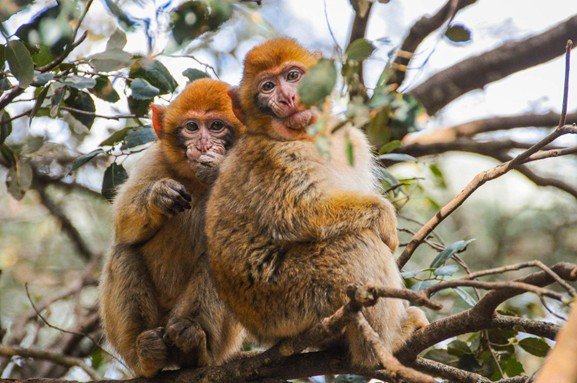
You'll depart from Fes and Travel south toward Merzouga, where your final Destination will be the Saharan dunes of Erg Chebbi to Ride the camel before sunset. You'll travel through The town of Ifran a small town in the Middle Atlas mountains of Morocco. It is known for its Alpine climate, its striking mountain scenery, and its luxurious hotels and resorts. The area is popular with tourists and is known for its ski resorts,Continue to drive through the Cedar forest of Azrou ,Here you can stop to take snashot  the local Barbary apes in the trees and alongside the road. before to sto the city of Midle Know as the Apple city , you will climb an elevation (2,178 meters -7,146 feet)  over the Col Zad where You'll be surrounded by breathtaking views of the majestic mountains and lush vegetation.

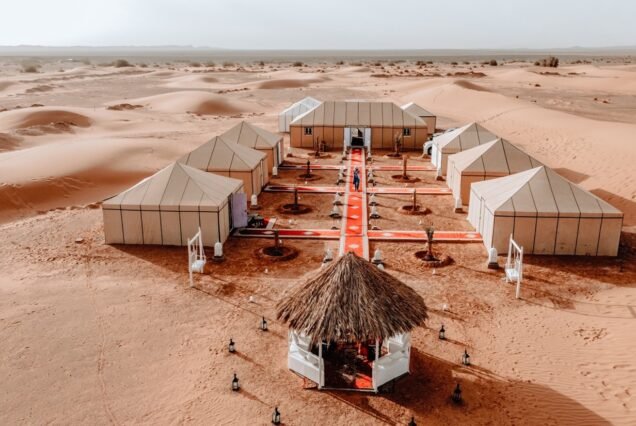
After the lunch , you will continue Your journey over the High Atlas Mountains and over the pass of Tizi N'Talghemt at an altitude of 1,660m (5,450 ft).Along the way you can admire many   large oasisand fortified villages knows as Ksar that was constraucted by the  Berbers to protect their precious products. You'll see the first signs of the ever-shifting Saharan sand dunes just before Erfoud. You'll also see an ancient method of water mining, an ingenious method of transferring water to farmland prior to the invention of the modern pump, and nomadic shepherds and their settlements. Later, travel south to Erfoud known for its Saharan culture and architecture, as well as its proximity to the Erg Chebbi sand dunes. The city is known for its palm groves, ksours (fortified villages), and its nearby oases. Erfoud has also known for its date festival as well as its fossil mining and artisan factories (you may have already seen some fossils in the markets). Along the way, you can see Fossil mines where rocks are extracted from the earth. You'll soon cross the huge sea of sand dunes known as Erg Chebbi, which is 13.5 square miles in size (35 square km). The enormous dunes are never still; they move and shift in response to the shifting wind. They also seem to change color with the time of day, and the colors are particularly beatiful  right before sunset. You can take a quick stop close to Merzouga and change your car to ride a camel over the sand to your Berber Desert  Camp, arriving after the sunset  After watching it from the top of a sand dune,   You will spend the night at the camp and you will a nice meal and some time by the campfire. After an evening of Berber music, you can anticipate spending the night in a Berber Tent under a vast night sky with the Milky Way shining above.

Day 07 The Sahara Desert Erg Chebbi To Toudra Valley and Toudra Gorge - Drive to Dades Valley

To be ready for a breathtaking sunrise over the sand dunes, we recommend waking up early before dawn and stepping out of your tent to watch the first light illuminate the desert. After breakfast, spend the morning discovering more of the Sahara. You may choose to rent a sandboard and test your skills on the dunes, or optionally join an ATV excursion.

Later in the morning, visit the town of Rissani, known as the ancestral home of the Alaouite dynasty, the current ruling family of Morocco. Rissani is also home to the Mausoleum of Moulay Ali Cherif, the founder of the dynasty. The town is especially famous for its traditional local market, where residents trade dates, spices, and everyday goods. Historically, this souk has also been an important social gathering place, where local communities meet, exchange news, and maintain strong ties with surrounding villages.

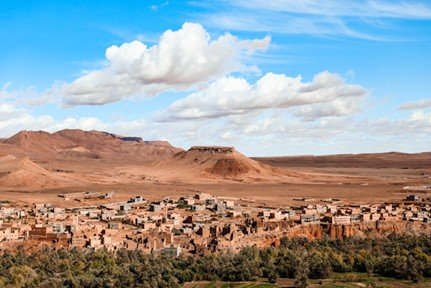
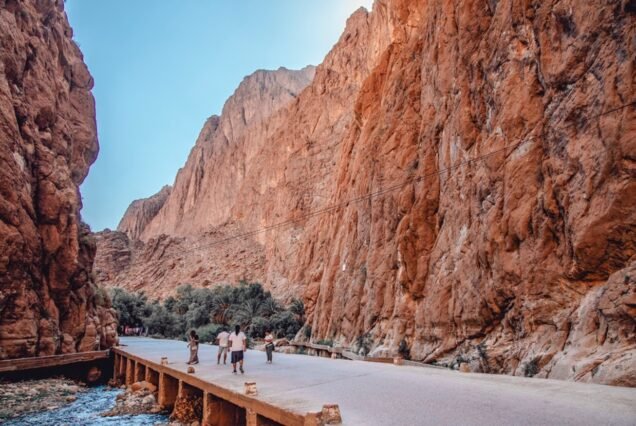
Continue your journey to Tinghir, gateway to the impressive Todra Gorge. This spectacular canyon features towering red rock cliffs reaching up to 160 meters (520 feet) high, with a narrow gorge carved through limestone. The Todra River flows through the canyon, allowing for an easy walk along the riverbed, or a moment to relax in the cool water while enjoying the dramatic natural scenery. The gorge is a popular destination for hikers and sightseers, offering stunning views of the surrounding valley.

In the afternoon, travel on to the Dades Valley, renowned for its dramatic landscapes, winding valleys, fig trees, oases, and traditional mud-brick villages. Home to Berber communities, the valley is dotted with ancient kasbahs and offers a perfect blend of nature, culture, and adventure. Explore local villages or enjoy short walks in the surrounding mountains before settling in for the night.

Overnight in the Dades Valley.

Day 08 Dades Valley and Rose Valley - Ait Benhaddou Kasbah via Ouarzazate - Drive to Marrakech

Start your morning journey from the Dades Valley toward Marrakech. Travel through the Rose Valley, famous for its rose cultivation and the annual Rose Festival held each May in El Kelaa M’Gouna. This vibrant festival celebrates the rose and its many uses, from traditional perfumes to modern products. Visitors can enjoy traditional music, dance performances, and cultural activities, as well as the symbolic crowning of the Rose Queen, chosen for her beauty and knowledge of local traditions. The town lies in the fertile M’Goun River valley, surrounded by mountains and oases, and is well known for its Berber culture and traditional architecture.

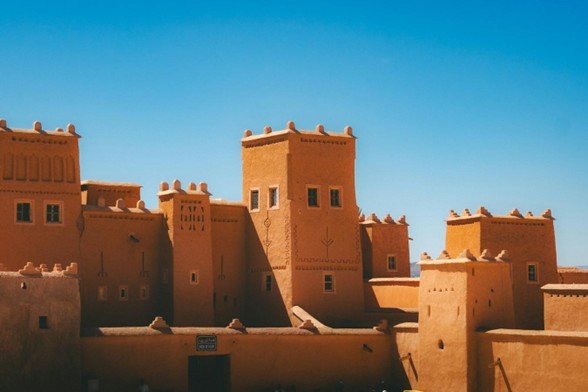
Continue along the Valley of a Thousand Kasbahs toward Skoura, renowned for its vast palm grove oasis that shelters several small villages. The area is celebrated for its scenic beauty and historic sites, including the ruins of the 17th-century Kasbah Amerhidil.

Next, stop in Ouarzazate, often called the Hollywood of Morocco. The city is known for its ancient fortresses and kasbahs, and for its strategic location at the gateway to the Draa Valley, the Anti-Atlas Mountains, and the Sahara. Ouarzazate has served as a filming location for many international productions, including Lawrence of Arabia and Gladiator. Time permitting, you may visit Atlas Studios to learn more about the films shot here and explore sets featuring desert, mountain, and oasis landscapes.

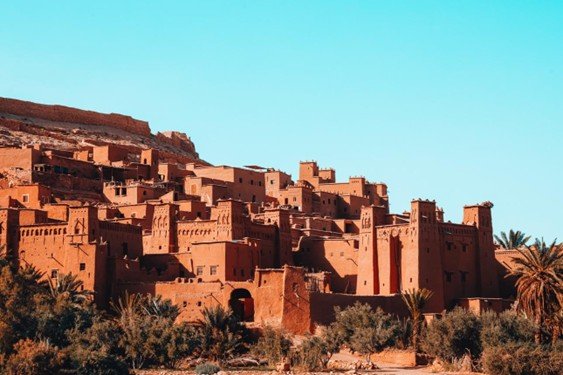
About half an hour later, arrive at Aït Benhaddou Kasbah, a fortified village in southeastern Morocco and a UNESCO World Heritage Site. Once a key stop along the trans-Saharan trade route, the kasbah is composed of traditional adobe buildings, some of which are still inhabited. Wander through its narrow alleys, explore the old structures, and admire the remarkable ancient architecture.

From Aït Benhaddou, continue to Marrakech via the High Atlas Mountains, crossing the Tizi n’Tichka Pass at 2,260 meters (7,414 feet). The winding road offers spectacular views of mountain landscapes, valleys, and Berber villages. Your journey concludes in Marrakech, the vibrant Red City, famous for its lively souks and historic monuments.

Day 09 Marrakech: Explore Marrakech Sights and Historical landmarks and Majorelle Garden

Far from the old medina of Fes, Marrakech has deeper Amazigh (Berber) historical roots than Arab ones. Nicknamed the Red City, Marrakech has long been a major economic and cultural center for the Berber tribes of the Atlas Mountains. Begin your day by discovering Morocco’s top attractions in Marrakech.

Start with Jemaa el-Fna, the city’s main square and marketplace located in the heart of the old medina. Lively and vibrant, it brings together locals and visitors alike, and in the afternoon the square comes to life with musicians, storytellers, and performers.
Next, visit the Bahia Palace, a 19th-century masterpiece featuring beautifully decorated rooms adorned with intricate stucco work, painted ceilings, colorful mosaics, and peaceful gardens. Continue to the Saadian Tombs, an ancient royal necropolis located inside the royal kasbah, south of the Kasbah Mosque.

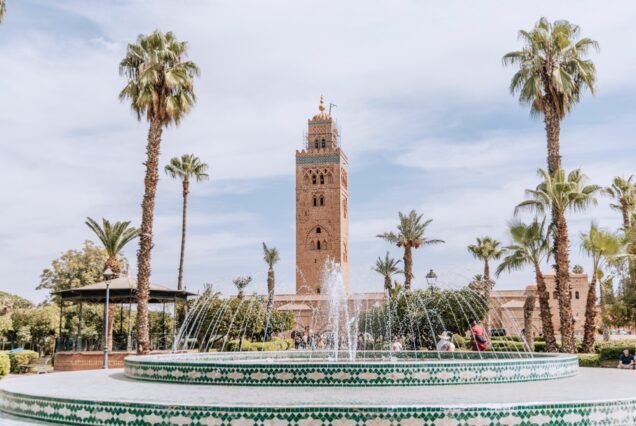
Head west to discover the Koutoubia Mosque and its elegant gardens. Built in the 12th century, the mosque is famous for its minaret, which rises to 70 meters and remains the tallest structure in Marrakech. Visit the Ben Youssef Madrasa, a former Islamic school dating back to the 16th century, renowned for its exquisite zellij tilework and finely carved cedar-wood ceilings.

End your visit in the modern part of the city with the Majorelle Garden, a one-hectare botanical and artistic landmark in the Nouvelle Ville. Created in 1923 by the French orientalist artist Jacques Majorelle, who worked on it for nearly four decades, the garden also features a villa designed in a distinctive artistic style and offers a serene conclusion to your day in Marrakech.

Day 10 Marrakech to Essaouira

Morning departure as you travel west from the Red City of Marrakech toward the Atlantic coast. Your journey continues across vast rolling plains, passing through an argan tree forest along the way. This region offers a unique and memorable sight, as goats are often seen climbing the argan trees to feed on the fruit, a fascinating local phenomenon.

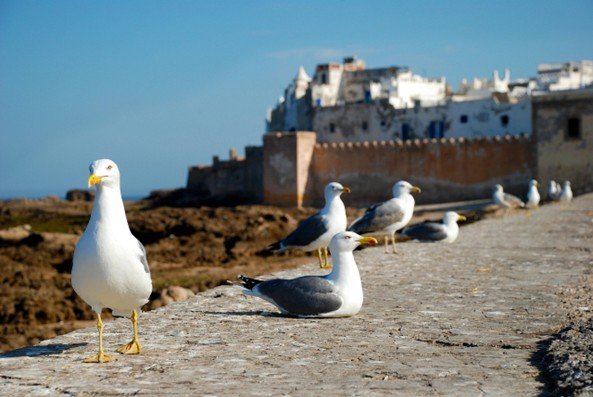
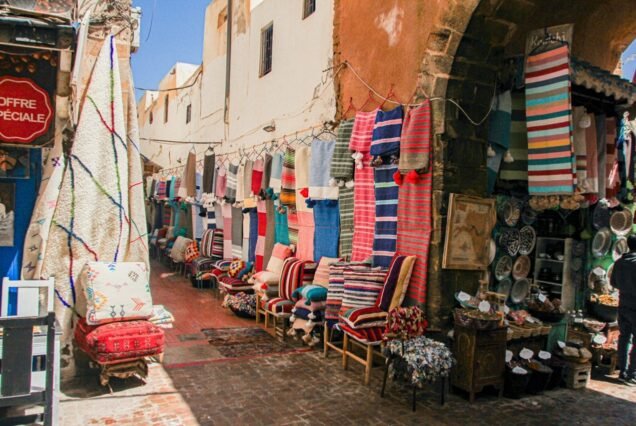
Arrive in Essaouira, a charming coastal town renowned for its historic medina and lively souks. The city reflects a rich blend of African, Jewish, and European influences, giving it a distinctive cultural character. The medina is filled with art galleries, restaurants, and artisan shops, while the bustling harbor opens onto the Atlantic Ocean.

Essaouira is also known for its relaxed atmosphere and wide range of outdoor activities, including windsurfing and kiteboarding, thanks to its steady ocean winds. Long sandy beaches provide the perfect setting for leisure and relaxation, making Essaouira an ideal coastal escape.

Day 11 Essaouira - El Jadida - Casablanca

Your driver will take you to Casablanca this morning via the scenic coastal road. Along the way, you will stop in several seaside towns to stretch your legs and take time to explore.

In El Jadida, a UNESCO World Heritage Site built in the 16th century, you will have the opportunity to visit the famous Portuguese Cistern. Enjoy some free time to walk along the historic ramparts and explore the Church of the Assumption before having lunch in the city.

Your journey then continues to Casablanca, Morocco’s main economic hub. The city is known for its French-influenced architecture, vibrant nightlife, and attractive beaches. Casablanca is also home to iconic landmarks such as the Hassan II Mosque and Rick’s Café, offering a fitting end to your coastal journey.

Day 12 Flight home back from Casablanca

Relax and take advantage of your last few hours in Casablanca City before a trip to the airport; Casablanca Airport is a 50-minute drive from your Hotel. Have a pleasant and secure trip home or to your next Destination!

Included/Excluded

  • Transportation according to the planned itinerary.
  • Private 4×4 jeep with air conditioning (mini-bus with air conditioning for groups larger than six).
  • English-speaking driver/guide.
  • Fuel and all transportation-related expenses.
  • 9 nights in a hotel or riad on a BB (breakfast ), in rooms with private bathrooms.
  • 1 night in a desert tented camp, including dinner and accommodation.
  • One night in a Dades Valley Hotel , on a half-board basis (breakfast and dinner )
  • Guided tours of the Medinas of Marrakech and Fes with a certified English-speaking local guide.
  • Camel (dromedary) excursion in the desert.
  • Exclusive, private services (no other guests will be added to the group).
  • International and domestic flights.
  • Lunches.
  • Dinner.
  • Beverages.
  • Entrance fees to monuments and attractions.
  • Tips and personal expenses.
  • Any services not explicitly listed under "Included in the Price".

Tour Map

Comments are closed.

From
$0.00
Request Form

Guests

0

Adults

$0.00